
Blog
Performa/Tunit vs EVA vs TPR: Which Lightweight Soling Material Fits Your Footwear Category?

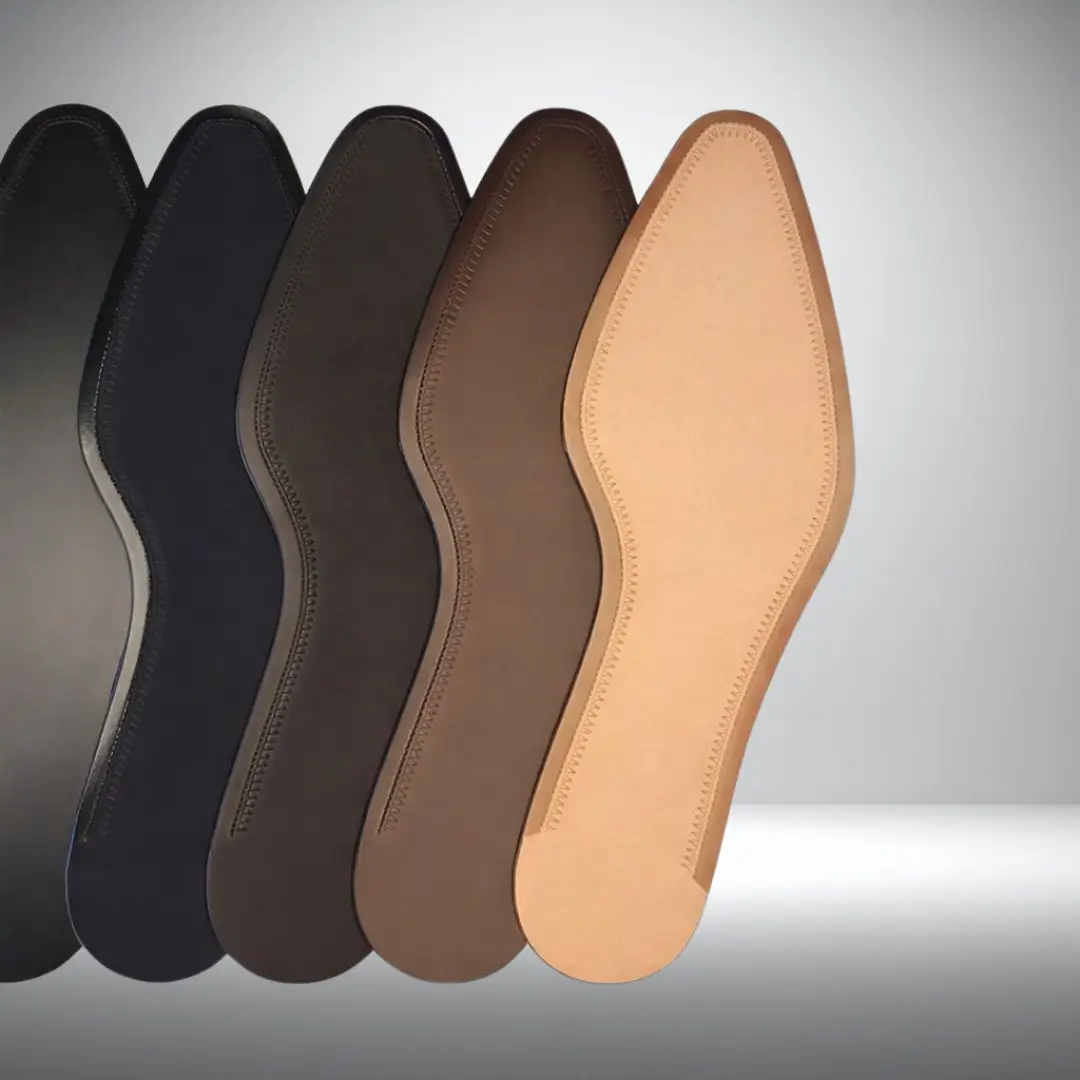
Footwear brands chasing lighter, more comfortable soles usually land on a shortlist of three materials: Performa/Tunit, EVA, and TPR. Each brings a different balance of weight, abrasion resistance, and cost to the table, and picking the wrong one for your footwear category creates problems surfacing only after a full production run ships. Here is a direct comparison to help your team match the material to the application.
What Makes a Soling Material “Lightweight”
Lightweight soling materials reduce shoe weight without giving up the structural properties a sole needs: cushioning, ground grip, and enough durability to survive the expected wear cycle. Weight reduction comes from cell structure, base compound density, or a blend combining a lighter material with a more durable one at the ground-contact surface.
Buyers should treat “lightweight” as a starting point for a sourcing conversation, not a single spec applying the same way across every footwear category. A lightweight material for a dress shoe outsole and a lightweight material for a running shoe midsole solve different problems, even though both fall under the same general label.
EVA: The Established Lightweight Standard
EVA foam sets the baseline for lightweight cushioning in footwear, and most buyers already know the material from midsole applications across casual and athletic categories. The cellular foam structure traps air, which cuts weight significantly compared to solid rubber while providing cushioning underfoot.
EVA’s main limitation shows up at the ground-contact surface, where the material lacks the abrasion resistance rubber or TPR provide. This limitation is why EVA dominates midsole applications, sitting above the ground-contact layer, rather than serving as a standalone outsole material in categories facing meaningful abrasion exposure.
TPR: Balanced Performance at Moderate Weight
TPR sits between EVA and rubber on the weight spectrum, offering better abrasion resistance than EVA while staying lighter than most standard rubber compounds. TPR processes through injection molding, which supports fast, consistent production runs and design flexibility across multiple shoe styles from shared tooling.
TPR works well as an outsole material for casual, safety, and industrial footwear categories where moderate abrasion resistance and cost efficiency both matter. TPR falls short of Performa/Tunit and specialized rubber blends in applications demanding the lowest possible weight alongside high abrasion resistance, such as premium lightweight casual or comfort footwear positioned above the mid-market segment.
Performa/Tunit: Weston Rubber’s Lightweight Differentiator
Performa/Tunit sheets combine natural or synthetic rubber compounds, including EPDM, neoprene, nitrile, silicone, or SBR, blended with EVA through a controlled molding process. This blend approach targets the gap between standard rubber and standard EVA: a material carrying much of rubber’s surface durability at a meaningfully lower weight.
Performa/Tunit sheets come in two standard hardness qualities: a flexible option at 80 plus or minus 3 Shore A, and a firmer option at 90 plus or minus 3 Shore A, giving buyers a choice depending on the flex and cushioning feel their product needs. The material adapts well to surface irregularities underfoot and delivers notably low abrasion loss compared to other lightweight outsole options on the market, which extends usable life in applications facing regular ground contact.
Performa/Tunit sheets process through die cutting, laser cutting, CNC routing, or manual fabrication, giving factories flexibility in how they convert the raw sheet into finished components without requiring specialized molding equipment on the buyer’s side.
Side-by-Side Comparison for Buyers
Weight: EVA offers the lightest option among the three, followed by Performa/Tunit, with TPR generally the heaviest of the group at comparable thickness.
Abrasion resistance: Performa/Tunit and standard rubber lead this category, TPR follows in the middle, and EVA trails behind due to its open cell structure lacking a dense wear surface.
Processing method: EVA and TPR both process through injection or compression molding at the factory producing the finished part. Performa/Tunit sheets process through cutting and fabrication methods, giving buyers flexibility without requiring molding infrastructure.
Cost positioning: EVA typically sits at the lower end of the cost range, TPR in the middle, and Performa/Tunit toward the upper end, reflecting the blended compound and controlled molding process behind the material.
Matching Material to Footwear Category
Athletic and running footwear midsoles favor EVA for its cushioning-to-weight ratio, often paired with a separate rubber or TPR outsole layer for ground contact and abrasion resistance where EVA alone would wear through quickly.
Casual and comfort footwear across the mid-market segment often specify TPR for outsoles, balancing cost, moderate weight savings, and acceptable durability for typical daily wear patterns.
Premium casual and comfort footwear brands positioning on lightweight feel without sacrificing surface durability represent the strongest fit for Performa/Tunit, particularly in categories where the brand markets low weight and all-day comfort as a core product benefit.
Safety and industrial footwear generally still favor standard rubber or TPR for outsoles, where abrasion resistance, chemical resistance, and compliance certifications take priority over weight savings, though buyers targeting a lighter safety shoe within compliance limits should evaluate Performa/Tunit as an option worth testing against their specific certification requirements.
Questions to Ask Before Choosing
Ask your supplier for comparative abrasion test data across all three materials at the hardness range your product needs, rather than relying on general category reputation alone. Request sample components in your actual product geometry, since weight and flex performance sometimes shift once a flat sheet or slab gets converted into a finished, contoured sole shape.
Confirm processing compatibility with your factory’s existing equipment, since a material requiring cutting and fabrication rather than molding changes your production workflow and often requires different tooling than your team currently uses for EVA or TPR components.
Total Cost of Ownership Beyond Material Price
Comparing Performa/Tunit, EVA, and TPR on raw material cost alone misses part of the sourcing decision. Performa/Tunit’s cutting-based fabrication process removes the need for dedicated molding tooling per style, which lowers tooling investment for brands running frequent design changes across a season, even where the raw material price per kilogram sits higher than TPR.
EVA and TPR both require mold tooling specific to each part geometry, and tooling cost amortizes across production volume. High-volume, stable-design programs recover this tooling investment quickly, while lower-volume or frequently-changing product lines carry the tooling cost across fewer units, which changes the total cost picture in favor of a cutting-based material like Performa/Tunit in some cases.
Factor freight and minimum order quantities into the comparison as well, since suppliers manufacturing all three materials at one facility, such as Weston Rubber, allow buyers to combine formats and materials within a single shipment, spreading freight cost across a broader order rather than sourcing each material from a separate supplier with its own minimum order requirement.
Frequently Asked Questions
Is Performa/Tunit lighter than standard rubber?
Yes. The EVA blend in Performa/Tunit reduces weight meaningfully compared to solid rubber compounds, while retaining much of rubber’s surface durability and abrasion resistance.
Does Performa/Tunit replace TPR in outsole applications?
Performa/Tunit works well as an outsole material in applications prioritizing low weight alongside strong abrasion resistance. Compare abrasion and flex data against your specific product requirements before making a full switch from an established TPR spec.
Why does EVA wear out faster than Performa/Tunit at the ground-contact surface?
EVA’s open cell foam structure trades surface density for weight and cushioning, which limits abrasion resistance compared to denser materials like Performa/Tunit or rubber. This tradeoff is why EVA typically sits above the ground-contact layer rather than serving as the outsole itself.
What hardness options does Performa/Tunit come in?
Performa/Tunit sheets come in a flexible quality at 80 plus or minus 3 Shore A and a firmer quality at 90 plus or minus 3 Shore A, giving buyers a choice based on the flex and cushioning feel their product requires.
Does Performa/Tunit require different fabrication equipment than EVA or TPR?
Performa/Tunit sheets process through die cutting, laser cutting, CNC routing, or manual fabrication rather than molding, so factories set up for cutting operations adapt easily, while factories relying solely on molding equipment should plan for this workflow difference.
Weighing Performa/Tunit against EVA or TPR for your next lightweight sole project? Weston Rubber manufactures all three materials at one facility with matched compound documentation. Contact our team to request samples and comparative test data.