
Blog
Choosing a Sole Material by Footwear Category: Formal, Casual, Sports and Safety Footwear

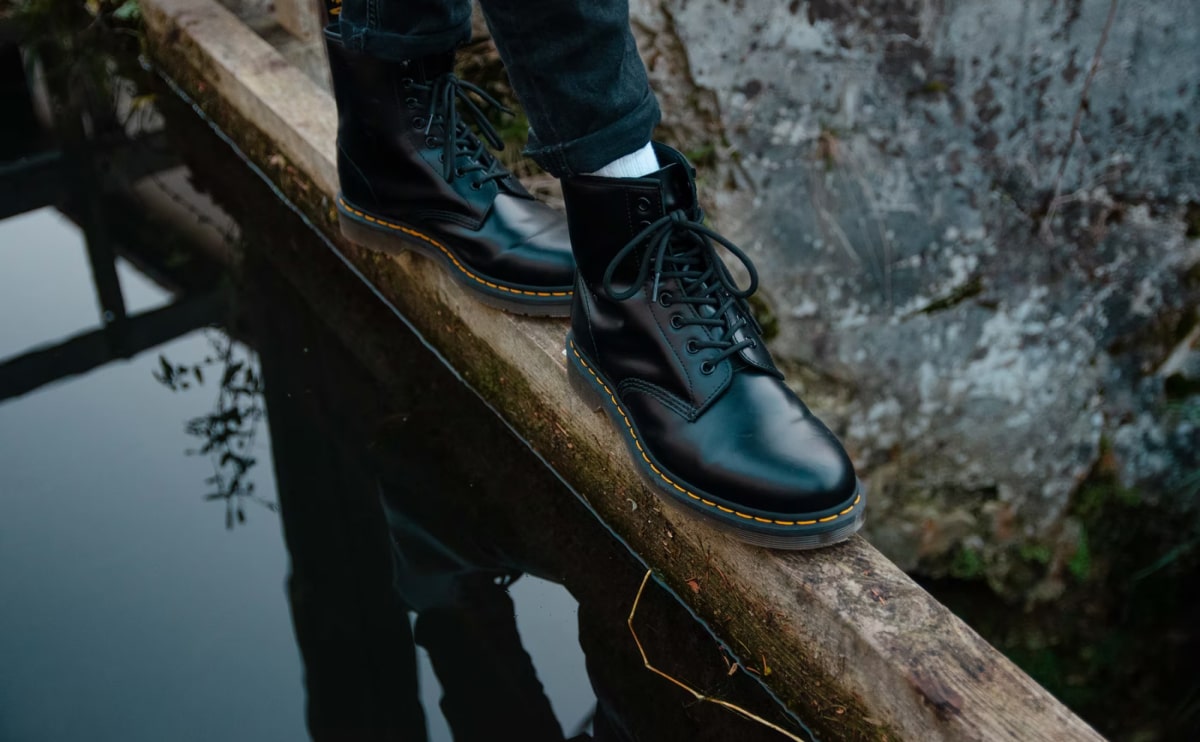
Sole material selection starts with footwear category, not the other way around. A material performing well in a running shoe often fails in a dress shoe, and a compound built for safety footwear rarely fits a formal category’s weight and finish expectations. This guide breaks down material selection by category, so your sourcing decisions start from the right baseline.
Formal Footwear
Formal footwear prioritizes a slim profile, a refined finish, and moderate durability over the heavy-duty wear resistance other categories demand. Buyers sourcing for this category weigh appearance and comfort against a lower expected wear frequency compared to daily athletic or safety footwear.
Rubber remains the standard outsole choice for formal footwear, valued for a clean surface finish and dependable grip on indoor flooring, which matters more in this category than outdoor abrasion resistance. Thinner rubber profiles, often under 5 millimeters, keep the silhouette slim enough to match formal shoe design expectations without adding bulk to the finished product.
TPR appears in some mid-market formal footwear as a cost-effective rubber alternative, particularly in styles where the outsole stays hidden beneath a substantial upper and receives lighter wear exposure than a casual or athletic shoe. Buyers should confirm surface finish quality carefully with TPR in this category, since a glossy or uneven surface reads as lower quality against the refined finish formal buyers expect.
Casual Footwear
Casual footwear covers the widest range of material choices, since the category spans everything from lightweight canvas shoes to structured leather styles. This breadth means casual footwear sourcing benefits from a clear definition of the specific sub-category and expected wear pattern before locking in a material.
TPR dominates casual outsole sourcing for mid-market brands, offering a workable balance of cost, moderate abrasion resistance, and design flexibility across multiple styles from shared compound batches. EVA frequently appears as a midsole layer beneath a TPR or rubber outsole, adding cushioning and weight savings without compromising the ground-contact durability the outsole layer provides.
Premium casual brands increasingly specify Performa/Tunit or similar rubber-EVA blends for outsoles, chasing a lighter feel than standard rubber while keeping more surface durability than EVA alone provides. This positioning fits brands marketing all-day comfort as a core selling point within the casual category.
Sports and Athletic Footwear
Athletic footwear separates cushioning and ground-contact functions more clearly than any other category, typically pairing an EVA midsole with a rubber or TPR outsole rather than relying on one material to handle both jobs. This layered approach lets each material do the job performed best: EVA for lightweight cushioning, rubber or TPR for grip and abrasion resistance where the shoe meets the ground.
Running and training shoes push EVA formulations toward higher energy return and compression set resistance, since repeated impact cycles over the life of the shoe test cushioning durability specifically. Outsole compounds in this category often specify carbon-loaded rubber in high-wear zones like the heel strike area, trading some weight for meaningfully better abrasion resistance where the shoe experiences the highest wear concentration.
Court sports footwear, covering basketball, tennis, and similar categories, places extra emphasis on non-marking outsole compounds and multi-directional traction patterns, since these sports involve rapid lateral movement a straight-line tread pattern handles poorly.
Safety and Industrial Footwear
Safety footwear answers to compliance standards first and comfort considerations second, which shapes material selection more heavily than any other category on this list. Outsole compounds need documented slip resistance, often oil and chemical resistance depending on the target industry, and abrasion resistance suited to harsh work environments.
Rubber remains the dominant outsole material for safety footwear, offering the abrasion and chemical resistance profile most compliance standards assume as a baseline. TPR appears in lighter-duty safety and industrial applications where full rubber-level chemical resistance is not a requirement, offering a lower-cost alternative without sacrificing basic slip resistance performance.
Buyers sourcing for this category should request compliance documentation tied to the specific standard their market requires, such as slip resistance testing under EN ISO 13287 or a comparable regional standard, rather than accepting general durability claims without a referenced test method behind them.
A Quick Decision Framework
Start with the primary stress the sole faces in its intended use: point-load pressure, lateral movement, chemical exposure, or simple daily abrasion. This primary stress factor narrows the material shortlist faster than starting from a generic “durable” or “lightweight” requirement alone.
Next, weigh cost sensitivity against the wear cycle the category demands. A safety shoe replaced annually under an employer program tolerates a higher material cost than a fast-fashion casual shoe expected to sell at a lower price point with a shorter expected life.
Finally, confirm compliance and testing requirements specific to your target market and footwear category before finalizing a material choice, since a material performing well in general testing sometimes falls short of a specific regional or industry compliance standard your buyer requires.
When a Category Calls for a Hybrid Approach
Some footwear products sit between categories and benefit from a hybrid material approach rather than a single standard spec. A work-appropriate casual shoe marketed for all-day comfort on hard flooring, for example, borrows durability thinking from safety footwear while keeping the lighter weight and finish expectations of casual footwear.
Buyers working on cross-category products should identify which category’s stress profile dominates the actual use case, rather than assuming a blended product needs a blended material spec split evenly between categories. A shoe worn eight hours a day on concrete flooring behaves closer to a safety or industrial use case than a typical casual shoe, regardless of how the product gets marketed to consumers.
Partnering With One Supplier Across Categories
Brands selling across multiple footwear categories, formal, casual, sports, and safety, benefit from sourcing sole materials from one supplier capable of producing rubber, EVA, TPR, and Performa/Tunit under matched quality documentation. This approach simplifies compliance tracking across categories with different regulatory requirements and keeps compound testing data consistent across your full product range.
Weston Rubber manufactures all four material families at one facility, supporting brands sourcing across multiple footwear categories without managing separate supplier relationships and separate documentation standards for each material type.
Frequently Asked Questions
Does one material work across multiple footwear categories?
TPR and rubber both appear across several categories, but the specific compound formulation, hardness, and tread design should adjust for each category’s stress profile rather than reusing one spec across formal, casual, and safety applications.
Why does athletic footwear use two different materials in one sole?
Cushioning and ground-contact grip require different material properties. EVA provides lightweight cushioning in the midsole, while rubber or TPR at the outsole provides the abrasion resistance and traction the ground-contact surface needs.
Is rubber always required for safety footwear compliance?
Most safety compliance standards assume rubber-level chemical and abrasion resistance as a baseline, though some lighter-duty industrial applications accept TPR where full chemical resistance is not a requirement. Confirm your specific standard before substituting materials.
What sole material works best for a lightweight casual shoe?
A TPR or Performa/Tunit outsole paired with an EVA midsole typically delivers the best balance of light weight and daily durability for casual footwear positioned around comfort and all-day wear.
How do I know which compliance standard applies to my safety footwear market?
Compliance standards vary by region and industry. Confirm requirements with your target market’s regulatory body or your retail partner before finalizing a material spec, since a compound compliant in one market sometimes falls short in another.
Sourcing sole materials across formal, casual, sports, or safety footwear categories? Weston Rubber manufactures rubber, EVA, TPR, and Performa/Tunit materials matched to your category’s stress profile and compliance needs. Contact our team to discuss your product line.