

Blog
What Are Cork Sheets? Raw Cork Material for Custom Footbed Production

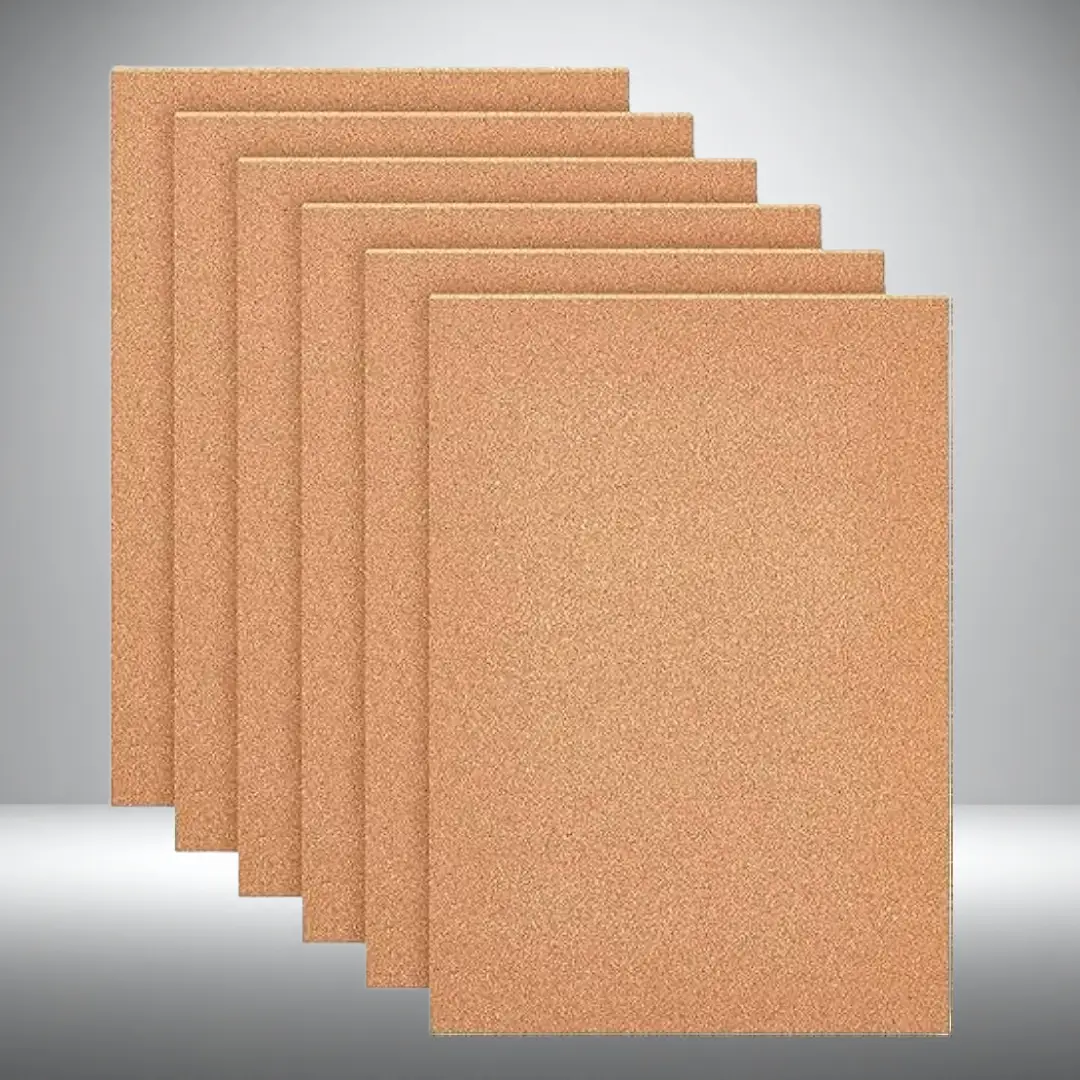
Most buyers think of cork as a wine-bottle material. But over the last decade, cork has quietly become one of the most sought-after raw materials in premium footwear manufacturing. Anatomical sandal footbeds, orthopedic insoles, premium wellness sandals, eco-positioned footwear lines — cork is the structural and comfort layer underneath.
The shift is commercial as much as it is technical. Sustainability has moved from a marketing nice-to-have to a procurement requirement, and consumers are paying real money for natural materials and verifiable supply-chain stories. Cork delivers both, at production scale.
The challenge for footwear manufacturers isn’t whether to use cork — it’s how to source it in sheet form, at consistent quality, in the volumes you actually need.
This guide covers what cork sheets are, where the raw material comes from, the properties that make cork work so well for footbeds, how to specify it for bulk orders, and which buyer profiles are scaling cork into their product lines.
In one sentence: cork sheets are flat-stock natural cork material made from the bark of the cork oak tree, used in footwear manufacturing as the base layer for footbeds, insoles and premium sandal soles.
What Are Cork Sheets?
Cork sheets are flat, pressed panels of natural cork — made from the bark of the cork oak tree (Quercus suber) — used as the structural and cushioning layer in footbeds, insoles and sandal soles.
There’s an important distinction worth making early. Solid cork from the bark itself is variable in density and grain, so most commercial cork sheets used in footwear are agglomerated cork: cork granules bound together with a natural or low-VOC binder and pressed into uniform sheets. Agglomerated cork is more consistent than solid cork, easier to process at scale, and available in a wider range of densities and thicknesses.
The sheet format is the standard supply form for footwear production. Sheets are cut, die-pressed or heat-moulded into footbed shapes downstream — much like how EVA and rubber sheets are used. The alternative is buying pre-moulded cork footbeds, which works for smaller volumes but limits design flexibility.
Cork sheets come in a range of thicknesses (typically 3 mm to 25 mm), densities and surface finishes. Weston supplies cork sheets in standard and custom specifications — full details are on our Cork Sheets product page, with finished components available on our Cork Footbeds page.
Where Cork Comes From — The Raw Material Story
Cork comes from the bark of the cork oak tree, which grows primarily in Portugal, Spain, Morocco and Algeria. The bark is harvested every nine years without cutting down the tree — the tree continues growing and produces fresh bark for the next harvest cycle.
A single cork oak can live 200 years or more and be harvested 16 to 18 times across its lifespan. This makes cork one of the only large-scale footwear raw materials that’s both natural and genuinely renewable.
The sustainability story matters commercially. Cork harvesting is one of the few agricultural processes that’s carbon-negative: each tree absorbs CO₂ throughout its life, and harvested trees actually absorb more carbon than unharvested ones, because the regrowing bark accelerates photosynthesis. Cork forests also support extraordinary biodiversity in regions where land would otherwise be cleared for less sustainable agriculture.
For footwear brands building a sustainability story, cork delivers something most materials can’t: a verifiable, third-party-certifiable supply chain backed by a centuries-old practice. FSC (Forest Stewardship Council) certified cork goes further by guaranteeing the cork comes from responsibly managed forests.
In short: cork is one of the only footwear raw materials that’s both natural and renewable — the tree continues growing after every harvest.
Why Cork Works So Well for Footbed Production
Cork’s commercial appeal in footwear comes down to a unique combination of properties that no synthetic material matches at the same price tier.
| Property | What It Means for Footwear |
| Lightweight | Roughly half the weight of EVA at equivalent thickness |
| Naturally antimicrobial | Resists odour, mould and bacteria without chemical additives |
| Pressure-distributing | Spreads load across the foot — moulds to wearer over time |
| Moisture-regulating | Absorbs and releases moisture without breaking down |
| Thermally insulating | Stays comfortable in heat and cold |
| Heat-mouldable | Can be pressed into anatomical footbed shapes |
| Durable | Premium cork footbeds often outlast the shoe upper |
| Renewable | Carbon-negative supply chain |
A few of these deserve more attention because they translate directly into product positioning.
Moulds to the wearer. Cork’s cellular structure adapts to individual foot shape over weeks of wear. This is exactly why premium sandal brands have built entire product lines around cork footbeds — the wearer essentially gets a custom-shaped insole at scale prices.
Antimicrobial naturally. Cork contains suberin, a waxy substance that resists microbial growth without chemical additives. For orthopedic and medical footwear, this means hygienic performance without compliance complications around added antimicrobials.
Moisture management. Cork breathes. Synthetic foams don’t. For sandals and warm-weather footwear where moisture build-up causes odour and discomfort, this is a meaningful product advantage worth pricing in.
Durability that outlasts the shoe. A well-made cork footbed can stay structurally sound for years — often longer than the leather or fabric upper above it. Premium sandal brands trade on this directly.
How Cork Sheets Are Used in Footwear Manufacturing
Cork sheets are primarily used to manufacture footbeds, insoles, sandal soles, orthopedic shoe components and wedge platforms.
Premium sandal footbeds. The anatomical footbed sandal — moulded cork shaped to match the natural arch of the foot — is the single largest cork application in footwear globally. Cork sheets are heat-moulded into the shaped footbed, then covered with a leather or suede top layer.
Orthopedic insoles. Cork’s mouldability and natural antimicrobial properties make it the material of choice for custom orthotics. Insole manufacturers use cork sheets to produce both standardised arch supports and bespoke orthotic inserts.
Comfort and wellness footwear. Wellness brands use cork as a premium signal in casual sandals, slip-ons and recovery footwear. The natural-material positioning supports a price premium without expensive added technology.
Eco-positioned footwear lines. Sustainability-focused brands feature cork as a hero material in product marketing. Cork pairs well with natural rubber outsoles, plant-based leathers and recycled textiles to build a complete sustainability story.
Wedge platforms and fashion footwear. Cork wedges in summer sandals have been a fashion staple for decades. Cork is strong enough to bear weight, light enough not to bulk up the shoe, and easy to shape into platform heels.
Replacement insoles and aftermarket inserts. Cork insoles sell separately as comfort upgrades for existing shoes, often through pharmacy and specialist retail channels.
For broader context on material choice, see our existing piece on EVA vs Rubber vs Cork Footbeds.
Cork Sheets vs. EVA, PU and Latex
Picking the right footbed material is largely a question of product positioning and price tier. Here’s how cork compares against the synthetic alternatives:
| Feature | Cork Sheet | EVA Foam | PU Foam | Latex |
| Weight | Light | Very light | Heavier | Moderate |
| Cushioning | Firm, mouldable | Soft, springy | Soft, dense | Soft, springy |
| Antimicrobial | Naturally | No (needs additive) | No (needs additive) | Mildly |
| Sustainability | Renewable | Petroleum-based | Petroleum-based | Natural |
| Price tier | Premium | Low–Moderate | Moderate | Moderate |
| Best for | Premium sandals, orthopedics | Mass-market footwear | Safety, comfort shoes | Comfort insoles |
Short version:
- Cork vs EVA: Cork is firmer, more premium-positioned and naturally antimicrobial. EVA is softer, cheaper and lighter.
- Cork vs PU: Cork is lighter and renewable; PU is denser and cheaper at high volumes.
- Cork vs Latex: Cork moulds permanently to the wearer’s foot; latex stays soft but compresses faster over time.
The right material depends on your product positioning. Cork shouldn’t be positioned as a budget option — it works specifically as a premium signal for buyers willing to pay for natural materials and a credible sustainability story.
What to Specify When Ordering Cork Sheets in Bulk
Cork sheet specifications are slightly different from synthetic foams. Here’s a complete procurement checklist:
- Sheet thickness — typically 3 mm to 15 mm for footbeds; up to 25 mm or more for wedge platforms
- Density — controls firmness and durability; varies by binder content and granule size
- Grain size — fine-grain cork has a smoother surface; coarse-grain has visible cork pattern, often used as a design feature
- Sheet dimensions — must match your cutting machinery
- Binder type — most agglomerated cork uses natural or low-VOC binders; specify if you need eco-certified binder
- Surface finish — sanded, sealed or natural
- Colour — natural cork is brown; can be tinted, sealed darker, or stained for branding
- Certifications — FSC for sustainable forestry, REACH compliance for European exports
- Packaging and moisture protection — cork absorbs ambient moisture, so packaging matters during transit
- MOQ and lead time
The moisture point is one most buyers overlook. Cork that arrives wet will dry unevenly and warp, which causes cutting waste. Reputable manufacturers package cork sheets with moisture protection and condition them before dispatch.
Who Buys Cork Sheets?
Cork sheet buyers are typically positioned in the premium or sustainability-led footwear segments — categories where the cost step-up from EVA is justified by product positioning.
Premium sandal and platform brands order cork footbed sandals as a year-round category. These manufacturers tend to have steady volumes and tight specifications.
Orthopedic and medical footwear manufacturers use cork’s antimicrobial and mouldable properties for clinical use cases — diabetic shoes, post-surgical footwear, custom orthotics.
Sustainable and eco-positioned footwear brands feature cork as a hero material in product marketing, pairing it with natural rubber outsoles and plant-based uppers.
Comfort footwear brands in the wellness category — recovery sandals, slip-ons, sandals with anatomical support.
Private-label footbed manufacturers supplying insole brands and aftermarket inserts to pharmacy and retail channels.
Hotel and wellness gifting suppliers producing premium room slippers and spa sandals where cork footbeds are part of the brand promise.
Cork isn’t the right material for every footwear line. It’s priced higher than EVA and isn’t suited to high-abrasion outsole use. But for the right product positioning, it commands a price premium that more than offsets the material cost step-up.
Choosing a Cork Sheet Manufacturer for Footwear Production
A few things to verify when shortlisting a cork sheet supplier:
- Consistent agglomeration quality — cork from different bark batches varies in granule size and density; the supplier should control for this in their compounding
- Density and grain consistency across orders
- Sheet flatness and dimensional accuracy — warped sheets waste material in cutting
- Moisture content at dispatch — cork absorbs humidity during transit, and supplier-side conditioning matters
- Certifications — FSC for sustainable forestry, REACH for chemical compliance
- Production capacity to handle seasonal demand spikes during sandal-season production peaks
Weston Rubber Industries has supplied cork footbeds and cork sheets to footwear manufacturers across India and overseas since 1987, alongside a full portfolio of EVA, rubber and TPR soling materials. Consolidating cork and synthetic material supply with a single manufacturer simplifies QC, contracts and logistics — one supplier, one quality standard, one shipping relationship.
Cork Sheets — Frequently Asked Questions
What’s the difference between a cork sheet and a cork footbed?
A cork sheet is the raw flat-stock material. A cork footbed is the finished anatomical shape cut and moulded from the sheet, ready for assembly into a shoe.
Is cork sustainable?
Yes. Cork is harvested from the bark of cork oak trees without cutting them down. Each tree can live 200+ years and be harvested 16 or more times. Cork forests also actively absorb CO₂, making cork one of the few carbon-negative footwear raw materials.
How long do cork footbeds last?
Premium cork footbeds often outlast the shoe upper — typically 3–5+ years of regular wear, depending on use and care. They mould to the wearer’s foot during the first few weeks of wear and then stabilise.
Can cork sheets be moulded into anatomical footbed shapes?
Yes. Cork sheets are heat-moulded into anatomical footbed shapes during footwear production — this is the standard manufacturing process for cork sandals.
Does cork absorb water?
Cork is naturally moisture-resistant due to its suberin content, but it can absorb ambient moisture over time. Sealed or coated cork resists moisture more effectively in shoe applications.
What thickness of cork sheet is best for sandal footbeds?
Most cork sandal footbeds use cork sheets between 8 mm and 15 mm thick. Thinner sheets (3–6 mm) are used for insole top layers; thicker sheets (15–25 mm+) for wedge platforms.
Is natural cork antimicrobial?
Yes. Cork contains suberin, a waxy substance that naturally resists bacterial and fungal growth — without chemical additives.
What’s the MOQ for cork sheets?
MOQs vary by manufacturer and specification. Contact Weston’s team with your requirements for an exact MOQ.
Source Cork Sheets for Custom Footbed Production
Cork sheets sit at a specific commercial intersection: a natural, renewable material with the durability and mouldability needed for serious footwear production, at a price point that supports premium positioning.
Weston Rubber Industries supplies cork sheets and cork footbeds to footwear manufacturers across India and overseas, alongside a full range of EVA, rubber and TPR soling materials. Manufacturing has run continuously since 1987, with in-house quality control and certifications including GRS and RCS for recycled content across our broader product range.
If you’re sourcing cork sheets for premium sandal production, orthopedic insoles or sustainability-led footwear lines, share your specifications and volume requirements with our team.