
Blog
What Are Shoe Blockers? The Role of EVA, TPR and Rubber Blockers in Footwear Manufacturing

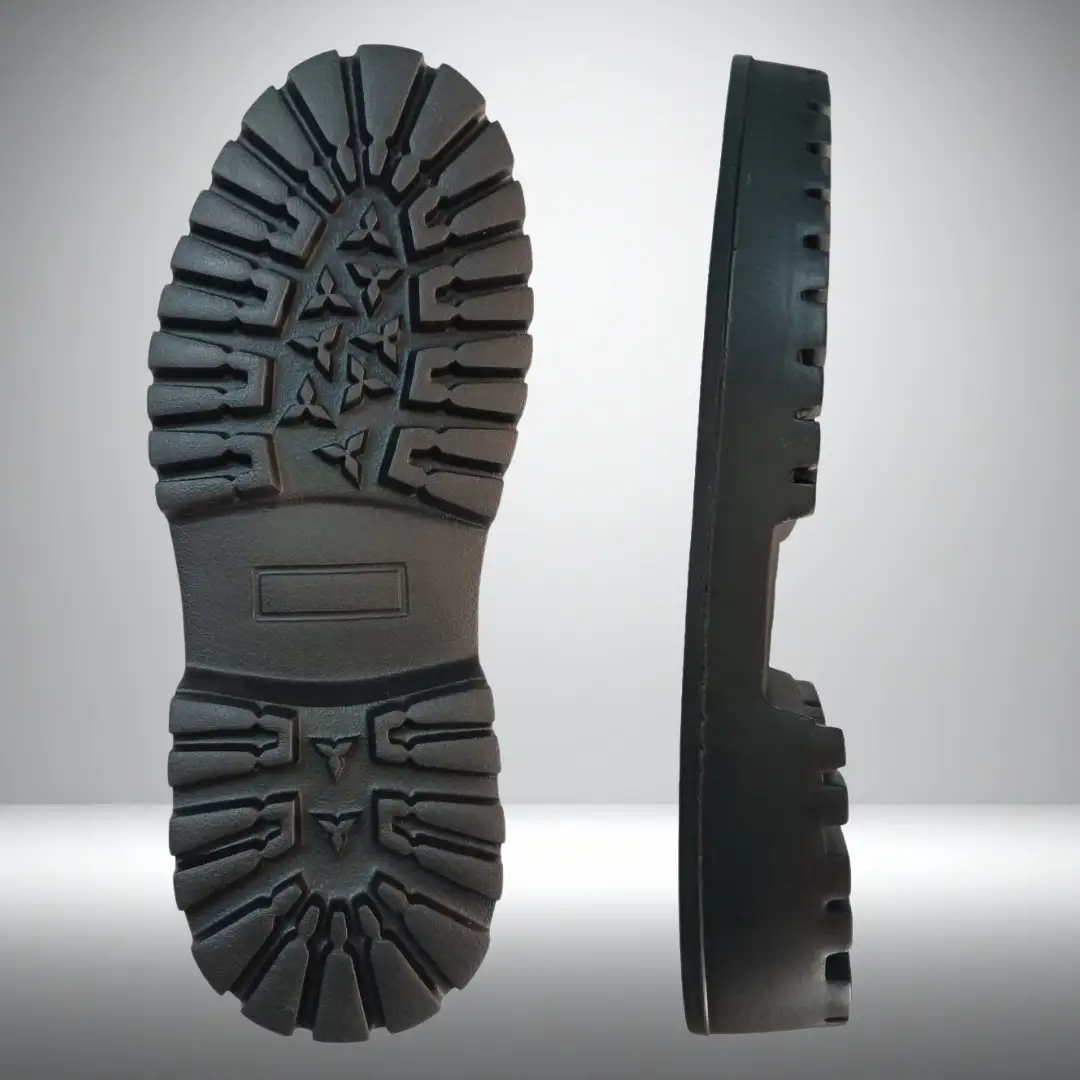
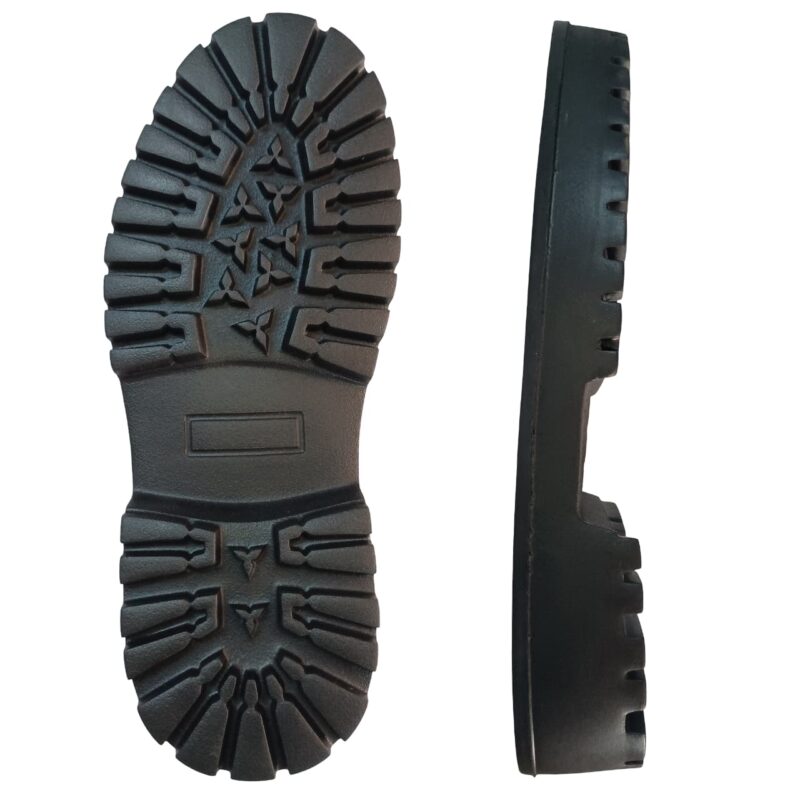
If you work in footwear manufacturing, you’ve almost certainly ordered blockers — or worked with components that came from them. Blockers are a standard trade term in footwear production, widely used by procurement officers, shoe factory managers, OEM buyers, and resoling specialists. Yet most online guides cover sheets and finished soles while skipping the block form entirely, leaving a genuine knowledge gap that causes specification errors and wasted sourcing time.
This guide explains what shoe blockers are, how the block format differs from sheets and finished soles, what distinguishes EVA blockers from rubber and TPR blockers in terms of material performance and processing, and how to match the right blocker type to your production requirement. Whether you need cushioned midsole material, durable outsole components, or a versatile mid-market option at volume, the choice of blocker material directly affects your production efficiency and finished product performance. Weston Rubber Industries manufactures and supplies all three from a single facility — explore the full product range to see what’s available.
What Are Shoe Blockers? Definition and Role in the Manufacturing Supply Chain
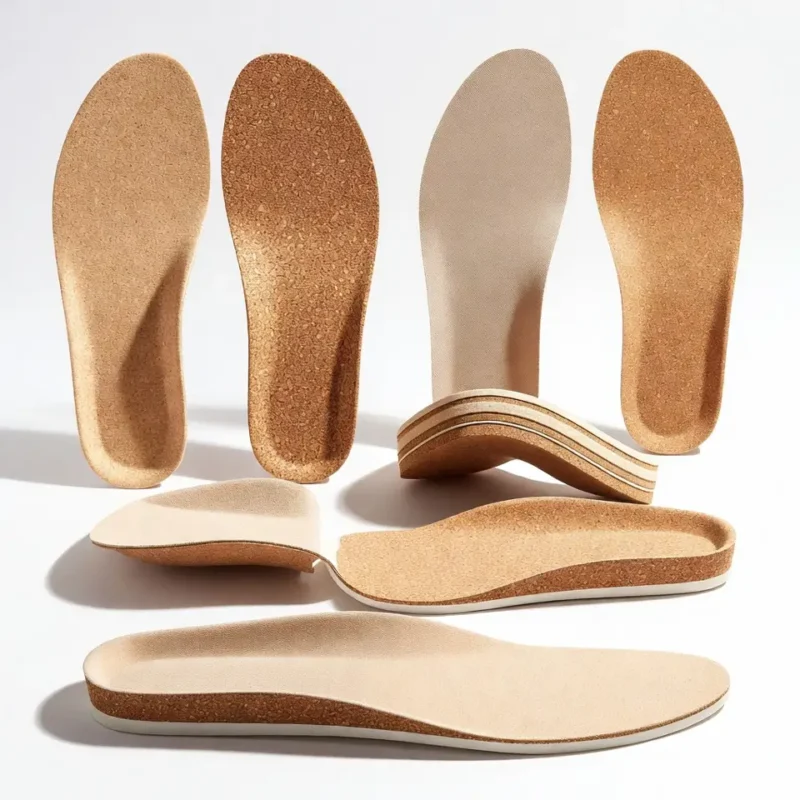
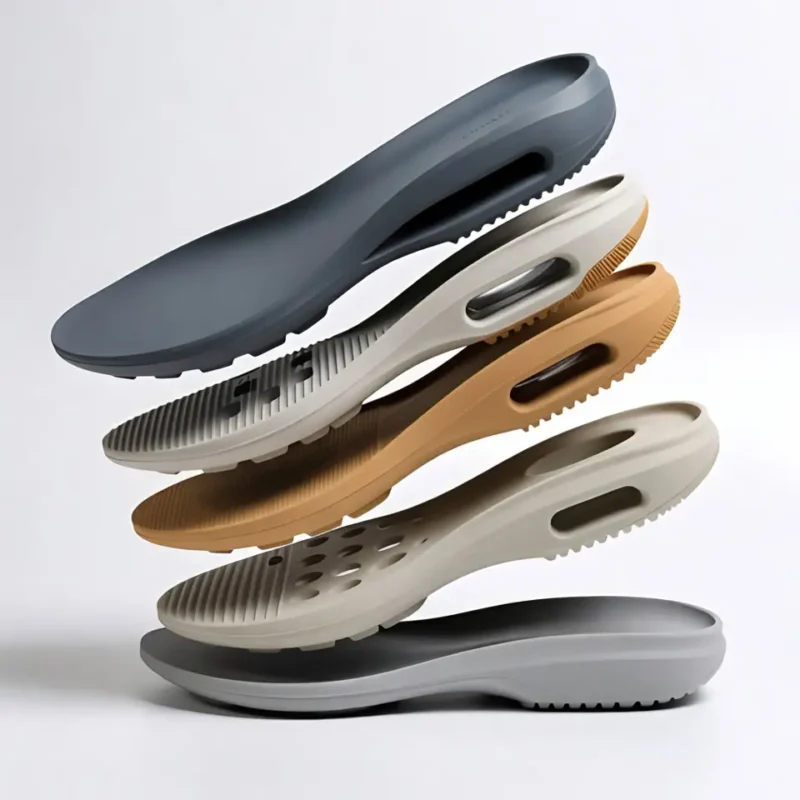
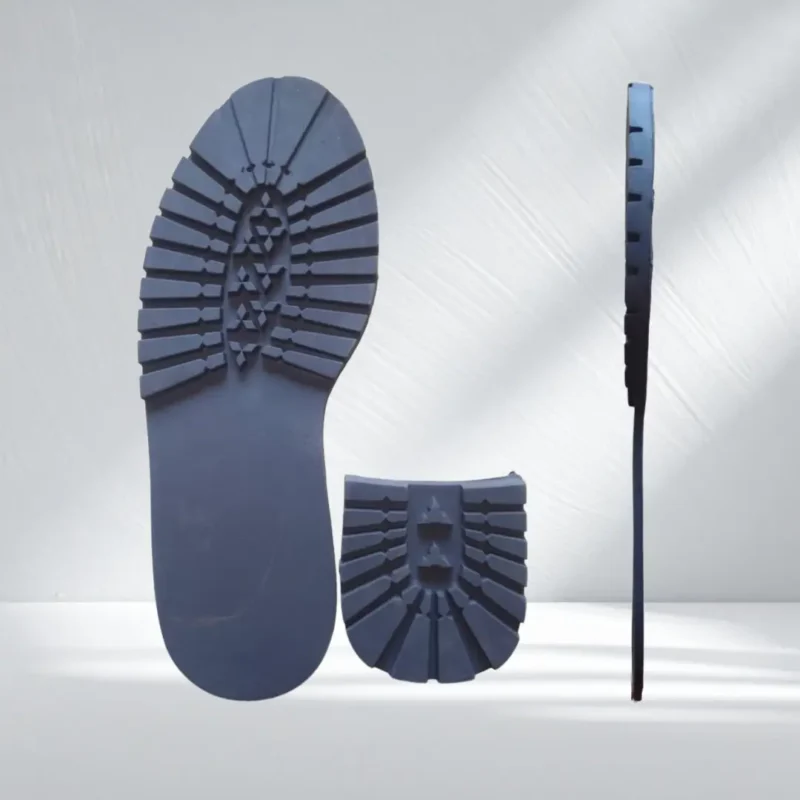
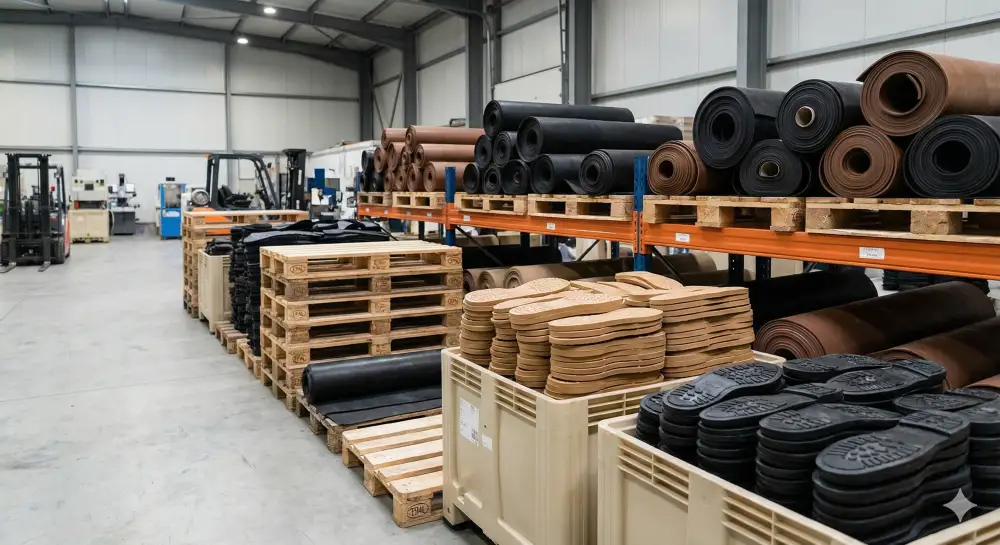
A shoe blocker is a solid or foam block of soling material — EVA, rubber, or TPR — supplied in its raw block form for secondary processing. Unlike finished components, blockers are not ready to assemble directly into a shoe. They are designed to be cut, sliced, machined, or moulded by the manufacturer into the specific shape, thickness, and profile required for the finished component: a sole, midsole, heel, fore part, top lift, or insole.
The blocker’s position in the footwear supply chain sits between sheet material and finished component: raw material → blocker → finished component → assembled shoe. That position is precisely what makes blockers commercially valuable — they offer the maximum processing flexibility of any format. A sheet constrains the manufacturer to a fixed thickness and flat geometry. A finished sole is already shaped and dimensioned. A blocker offers a three-dimensional volume of consistent material from which the manufacturer can cut exactly what they need.
The practical result is higher material yield, tighter dimensional control, and the ability to produce non-standard profiles and thicknesses that sheets cannot accommodate. For manufacturers with in-house band saw, CNC, die cutting, or skiving capability, blockers are the preferred raw material format.
| Who uses blockers?Shoe blockers are typically sourced by: handmade sole manufacturers, shoe factory production managers with in-house cutting equipment, OEM component producers cutting to customer spec, wholesale sole suppliers processing to multiple formats, and resoling and repair specialists needing material in bulk block form. |
Blockers vs Sheets vs Finished Soles: Understanding the Format Difference
The most common procurement error in footwear raw material sourcing is ordering the wrong format. Blockers, sheets, and finished soles are not interchangeable — each serves a different point in the production workflow, and specifying the wrong one creates unnecessary cost and delay. The table below clarifies the distinction across six variables that matter to procurement teams.
| Criterion | Blocker | Sheet | Finished sole |
| Form | 3D block | Flat sheet (2D) | Ready-to-assemble |
| Processing required | Full — cut, slice, machine | Partial — cut / laminate | None (bond or stitch) |
| Dimensional flexibility | Maximum | Medium | Fixed (pre-determined) |
| Material yield | Highest | Medium | Optimised at source |
| In-house equipment | Band saw / CNC / die cut | Die cut / lamination | Bonding / assembly only |
| Best for | Manufacturers with in-house cutting capability | High-volume flat production | Assembly-only operations |
The key decision is whether your production operation has the machinery to process a blocker. If you have a band saw, CNC machine, or die cutting capability in-house, blockers give you the most flexibility and typically the best material yield. If your operation receives pre-cut components and assembles them, finished soles are the more efficient format. If you run high-volume flat-sole production lines, sheets optimise your cycle time.
EVA Blockers: Properties, Processing and Footwear Applications
What they are
EVA blockers are expanded EVA foam blocks produced through injection moulding and curing. Unlike solid rubber or TPR, EVA is a closed-cell foam material — each cell is sealed and air-filled, which gives it its defining combination of low density, cushioning performance, and elastic recovery. The uniform cell structure throughout the block ensures consistent density and mechanical properties from the surface to the core, so components cut from different positions in the block perform identically.
Key properties
- Lightest of the three materials — EVA’s foam structure makes it the lowest-density option; critical for midsoles and cushioned components where weight reduction is part of the product brief.
- Excellent cushioning and shock absorption — the primary reason EVA dominates midsole construction globally; no solid material matches its energy-absorbing performance per unit of weight.
- Strong elastic recovery — components return to their original dimensions after compression; midsoles maintain cushioning performance throughout extended product life.
- Water-resistant, non-toxic, thermally insulating — suitable for all footwear categories including food-contact applications.
- Hardness measured in Asker C — the correct scale for foam materials; not Shore A (which is used for solid rubber and TPR). Weston EVA blockers are available across a wide Asker C hardness range, matched to application requirements.
Processing methods
Band saw cutting, die cutting, CNC machining, and skiving. EVA’s dimensional stability and consistent density make it highly predictable across all four processes — low reject rates, precise thickness control, and clean cut surfaces. Supports lamination and bonding downstream without adhesive compatibility issues.
Best for
Midsoles and insoles (the primary application); cushioned outsoles for slippers, sandals, and flat casual footwear; orthopaedic and comfort footwear components where density profile is critical; sports and lifestyle shoe production.
Rubber Blockers: Properties, Processing and Footwear Applications
What they are
Rubber blockers are solid rubber blocks produced from natural rubber, synthetic rubber, or engineered compound blends. Unlike EVA blockers (which are foam), rubber blockers are dense, solid material throughout — no cellular structure. The compound grade and formulation determine the block’s hardness, flexibility, abrasion resistance, and slip characteristics. Their uniform structure ensures consistent mechanical properties throughout the block, enabling predictable component performance regardless of where the component is cut.
Key properties
- Highest mechanical strength and abrasion resistance of the three — rubber outsole components outlast EVA and TPR equivalents in high-wear applications; the standard specification for safety, work, and premium footwear.
- Excellent flexibility and elastic recovery — reliable performance under continuous bending and compression; suitable for thin-profile components including heels and top lifts where flex fatigue is a concern.
- Superior slip resistance — the ground-contact performance benchmark for footwear; relevant for safety-rated, outdoor, and formal footwear specifications.
- Resistance to moisture, oils, and temperature variation — suitable for industrial, safety, and outdoor applications across climate ranges.
- Hardness measured in Shore A — the correct scale for solid rubber; not Asker C. Weston rubber blockers are available across multiple Shore A hardness levels and compound grades, matched to the specific performance requirement.
Processing methods
Band saw cutting, die cutting, CNC machining, skiving, and compression moulding. Rubber’s density and strength mean it requires more robust cutting equipment than EVA — band saw and CNC machining are the primary methods for blockers. Supports bonding and finishing downstream; vulcanized rubber surface requires proper preparation before adhesive application.
Best for
Outsoles and outsole components where traction and durability are primary requirements; heels and top lifts; safety and industrial footwear; premium and formal footwear where rubber quality carries product-tier connotations; repair and resoling applications where the original sole material was rubber.
TPR Blockers: Properties, Processing and Footwear Applications
What they are
TPR blockers are solid blocks of thermoplastic rubber compound — a material that combines the elastic properties of rubber with the processing efficiency and recyclability of thermoplastics. Unlike vulcanized rubber, which undergoes a permanent chemical cure, TPR can be remelted and reprocessed, making it a more sustainable raw material choice. The controlled compounding and moulding process ensures uniform density and material consistency throughout the block.
Key properties
- Balanced combination of flexibility and strength — lighter than rubber while delivering sufficient abrasion resistance and elastic recovery for outsole applications in mid-market footwear.
- Good grip and slip resistance — reliable traction for everyday-use footwear; not the outdoor or safety-grade traction of rubber, but appropriate for casual, school, and lifestyle categories.
- Best cold-temperature flexibility of the three — retains pliability at temperatures where natural rubber stiffens; the specification of choice for footwear sold into cold-climate markets.
- Recyclable — thermoplastic nature allows reprocessing; supports sustainability credentials without compromising performance.
- Hardness measured in Shore A — same scale as rubber (not Asker C). Available across multiple Shore A hardness levels, compound grades, and colours.
Processing methods
Band saw cutting, CNC machining, die cutting, and heat-based forming. TPR’s thermoplastic nature also allows it to be processed using heat for moulding operations not available with vulcanized rubber. Consistent processing behaviour supports tight tolerances and efficient bonding downstream.
Best for
Sole components and fore parts for casual, lifestyle, and mid-market footwear; heels and top lifts; school and uniform footwear production; mass-market and private-label OEM manufacturing at volume; cold-climate market applications.
EVA vs TPR vs Rubber Blockers: Which Should You Specify?
The right blocker material depends on the footwear application, production capability, and performance requirements of the finished component. The table below compares all three across the variables that matter at the specification stage — including the hardness measurement scale, which differs between EVA (Asker C) and rubber/TPR (Shore A).
| Criterion | EVA blockers | Rubber blockers | TPR blockers |
| Weight / density | Lightest (foam) | Heaviest | Mid-range |
| Cushioning | Excellent | Low | Low–moderate |
| Abrasion resistance | Moderate | Highest | High |
| Grip / slip resistance | Moderate | Best | Good |
| Cold-temp flexibility | Good | Stiffens | Best |
| Hardness scale | Asker C | Shore A | Shore A |
| Recyclability | Yes | No (vulcanized) | Yes |
| Cost index | Lowest | Highest | Mid |
| Primary applications | Midsoles, insoles, sandals | Outsoles, heels, safety | Soles, heels, casuals |
Decision framework:
- If midsoles, insoles, or cushioned flat sole components are the application — specify EVA blockers. Nothing else matches EVA’s cushioning performance-to-weight ratio for footbed and midsole construction.
- If outsoles for safety, work, outdoor, or premium dress footwear are the requirement — specify rubber blockers. The abrasion resistance, grip, and durability profile of solid rubber is not matched by foam or thermoplastic alternatives in these categories.
- If cost-performance balance at volume for casual, school, or mass-market outsoles is the brief — specify TPR blockers. They deliver sufficient outsole performance at a cost structure and recyclability profile that suits mid-market production.
- If cold-climate markets or recyclability is a sourcing requirement — TPR blockers are the stronger specification over rubber.
- If heels, top lifts, or fore part components are required — rubber or TPR blockers depending on the durability requirement and footwear category.
| The single-source advantage Many footwear constructions require more than one blocker type — for example, EVA blockers for the midsole and rubber or TPR blockers for the outsole. Sourcing all three from Weston Rubber Industries means one quality system, one set of compliance documentation, and one dispatch schedule — regardless of how many material types your production requires. |
Why Footwear Manufacturers Source All Three Blockers from Weston Rubber
Understanding which blocker material to specify is one side of the sourcing decision. The other is whether the manufacturer can deliver consistent quality across all three material types, at the volumes production requires. Here is what a procurement team should demand from a blocker supplier — and how Weston Rubber Industries delivers each point.
- Full three-material blocker range from one facility. EVA blockers (Asker C hardness), rubber blockers (Shore A), and TPR blockers (Shore A) — all manufactured and supplied from Weston’s facility in Agra, India. Multi-material briefs are handled by one team, one quality system, and one dispatch process.
- Hardness and density customisation across all three. Wide Asker C range for EVA; multiple Shore A hardness levels and compound grades for rubber and TPR. Specifications are matched to your application — not applied as a one-size-fits-all default.
- Colour and compound flexibility. Multiple colours and compound grades are available across all three blocker types. No third-party compounder required for custom formulations.
- Processing compatibility. All Weston blockers are engineered for band saw cutting, CNC machining, die cutting, and skiving. Consistent density throughout each block ensures predictable processing behaviour — tight tolerances, low reject rates, and clean surfaces for bonding and finishing.
- In-house quality control at every stage. Material testing, process monitoring, and pre-dispatch inspection are built into the production workflow. Batch-to-batch consistency in density, hardness, and colour is verified before dispatch — the non-negotiable requirement for volume procurement.
- OEM and bulk supply capability. Scalable production supports regular and high-volume orders. Reliable scheduling and secure packaging for transport are standard across all blocker products.
- 37+ years of manufacturing experience. Weston Rubber Industries has manufactured soling materials since 1987. Four decades of process knowledge across EVA, rubber, and TPR translates directly into block consistency that newer or generalist suppliers cannot match.
FAQs: What Buyers Ask About Shoe Blockers
What is the difference between a shoe blocker and a shoe sole sheet?
A blocker is a three-dimensional block of raw soling material supplied for full secondary processing — the manufacturer cuts, slices, or machines it into the required component shape, thickness, and profile. A sheet is a flat, two-dimensional format that constrains the manufacturer to a fixed thickness; it can be die-cut or laminated but not profiled or skived to non-standard depths. Blockers offer greater dimensional flexibility and typically higher material yield; sheets offer simpler processing for flat-geometry components.
Can EVA blockers be used for outsoles as well as midsoles?
EVA blockers are primarily used for midsoles, insoles, and cushioned flat-sole applications where low weight and cushioning performance are the priority. For outsole applications where abrasion resistance and ground-contact grip are required — particularly in safety, outdoor, or formal footwear — rubber or TPR blockers are the more appropriate specification. EVA’s softer foam structure wears faster than solid rubber or TPR under outsole conditions.
What processing equipment is needed to work with rubber or TPR blockers?
Rubber and TPR blockers are most commonly processed using a band saw for primary slicing, followed by die cutting or CNC machining for final shaping and profiling. Skiving is used for thickness reduction. Compression moulding is available for rubber. Heat-based forming is available for TPR. Standard footwear component production machinery handles all of these processes — no specialist equipment beyond what most manufacturing operations already have.
Does Weston Rubber supply all three types of blockers — EVA, TPR, and rubber?
Yes. Weston Rubber Industries manufactures EVA blockers, rubber blockers, and TPR blockers from a single facility in Agra, India. All three are available with customisation across hardness, density, colour, and compound grade. With 200+ repeat customers across India and overseas since 1987, Weston’s blocker supply capability is proven at production scale. Compliance documentation is available for export orders.
What hardness should I specify for an EVA midsole blocker vs a rubber outsole blocker?
For EVA midsole blockers, hardness is measured in Asker C — a softer foam grade is appropriate for comfort and orthopaedic applications, while a firmer grade suits athletic or structured footwear. For rubber outsole blockers, hardness is measured in Shore A — the specification depends on the outsole construction, the footwear category, and any applicable slip-resistance or safety certification requirements. Weston’s team advises on grade selection based on the customer’s brief rather than applying a single default.
Conclusion
Shoe blockers are the most flexible raw material format available to footwear manufacturers — but only when the right material is matched to the right application. EVA blockers deliver where cushioning and weight define the spec. Rubber blockers deliver where durability, grip, and premium positioning matter. TPR blockers deliver where cost-performance balance and cold-temperature flexibility are the priority.
Weston Rubber Industries manufactures and supplies all three blocker types from a single facility — with consistent quality, full customisation capability, and the process knowledge of 37+ years in soling material manufacturing. Whether your brief covers one material type or all three, sourcing from Weston simplifies your supply chain without compromising specification.