

Blog
Outsole vs Midsole vs Insole: A Glossary for Footwear Buyers New to Sourcing

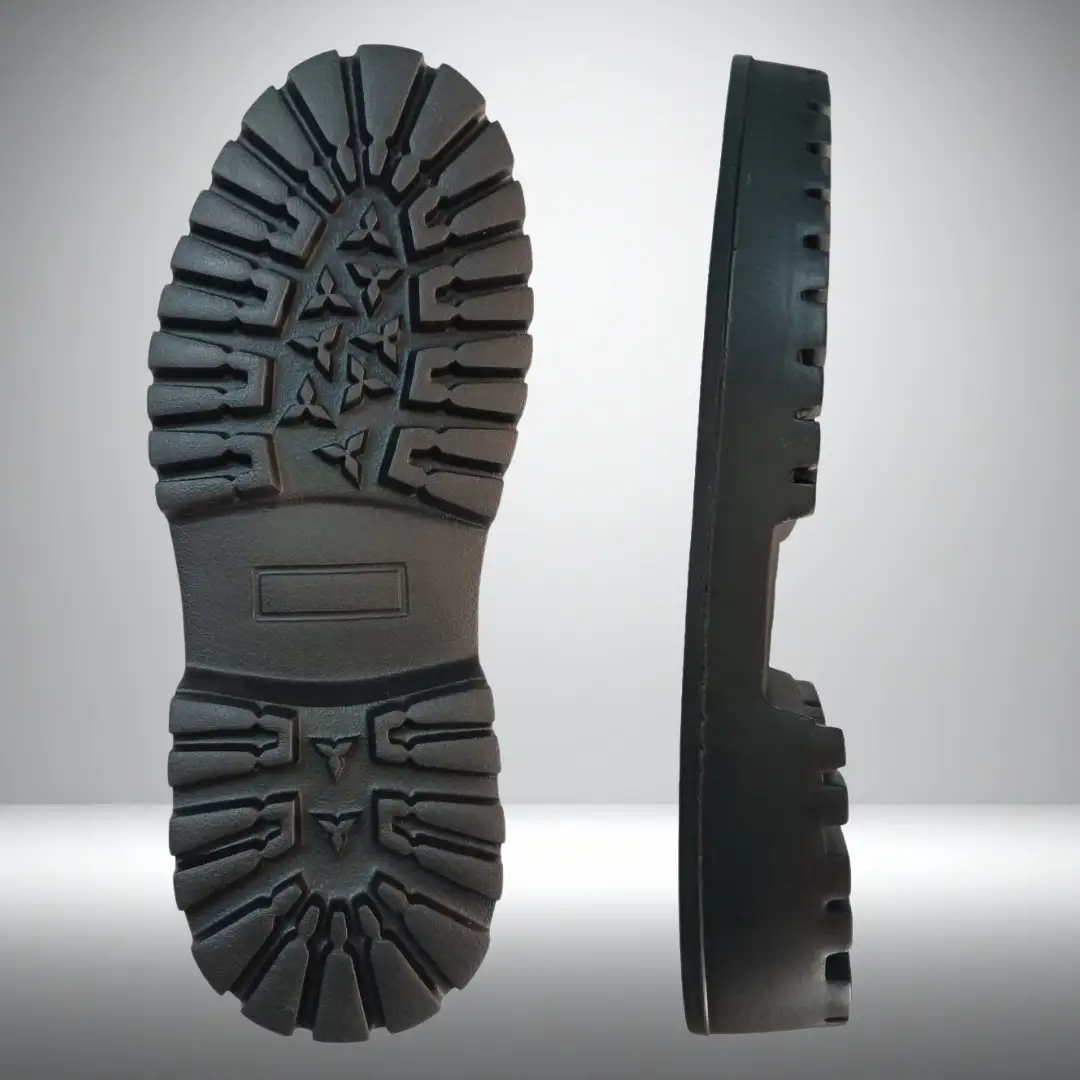
Footwear sourcing conversations move fast through terms like outsole, midsole, and insole, and buyers new to the category sometimes nod along without a clear picture of what separates one layer from another. This glossary breaks down each term plainly, so your next sourcing conversation starts from solid footing.
Outsole Defined
The outsole is the bottom-most layer of a shoe, the only component making direct contact with the ground. Outsoles carry the tread pattern, providing traction and grip across different surface conditions, and take the brunt of abrasion wear over the life of the shoe.
Outsole material choice centers on durability and grip performance, since this layer wears down through direct ground contact more than any other part of the shoe. Rubber and TPR dominate outsole sourcing across most footwear categories, valued for abrasion resistance and the ability to hold a molded tread pattern through repeated wear cycles.
Outsole thickness and hardness vary significantly by footwear category. A running shoe outsole often runs thinner and softer to reduce weight, while a work boot outsole runs thicker and harder to maximize durability under harsh conditions.
Midsole Defined
The midsole sits between the outsole and the insole, providing the cushioning layer most responsible for how a shoe feels underfoot during wear. This layer absorbs impact forces during walking or running, protecting the foot and joints from repeated shock over thousands of steps.
EVA foam dominates midsole sourcing, valued for a strong cushioning-to-weight ratio rubber or TPR cannot match at comparable thickness. Some footwear categories use a dual-density midsole construction, combining a softer foam for cushioning with a firmer foam section for stability, particularly in athletic and running footwear designed for specific gait support needs.
Midsole thickness directly affects a shoe’s cushioning feel and overall stack height. Buyers should confirm midsole density specifications alongside thickness, since two midsoles at the same thickness feel meaningfully different underfoot if built from foam at different densities.
Insole Defined
The insole, sometimes called a footbed, sits directly beneath the foot, inside the shoe. This layer provides immediate comfort contact and often incorporates additional cushioning, arch support, or moisture-wicking properties depending on the footwear category and target price point.
Insoles range from a simple flat foam layer to a molded, contoured footbed shaped to support the natural arch of the foot. Removable insoles allow consumers to swap in orthotic inserts or replacement footbeds, a feature common in athletic and comfort-focused footwear categories.
Insole material choice varies widely, spanning EVA foam, memory foam, latex, and fabric-covered composite constructions, depending on the comfort positioning and price point of the finished shoe.
How the Three Layers Work Together
These three layers combine to manage the full range of forces a foot experiences during walking, running, or standing. The outsole manages ground contact, traction, and abrasion resistance. The midsole absorbs and disperses impact energy before the force reaches the foot. The insole provides immediate underfoot comfort and helps distribute pressure evenly across the sole of the foot.
A shoe with a strong outsole and weak midsole delivers good durability but poor comfort during extended wear. A shoe with excellent midsole cushioning but a poor outsole wears through the ground-contact layer quickly, undermining the shoe’s overall lifespan regardless of how comfortable the cushioning feels initially. Balanced sourcing across all three layers produces a shoe performing well across durability, comfort, and overall wear life.
Material Choices by Layer
Outsoles commonly use rubber for maximum abrasion resistance and grip, or TPR for a lighter, lower-cost alternative with moderate durability. Performa/Tunit blends offer a lightweight option combining rubber-level surface durability with reduced weight compared to standard rubber compounds.
Midsoles predominantly use EVA foam, sometimes paired with a firmer foam or gel insert in specific zones for added stability or targeted cushioning. Some premium athletic footwear incorporates specialized foam technologies beyond standard EVA, though EVA remains the baseline material across most footwear price points.
Insoles use a wide range of materials depending on comfort positioning, from basic EVA foam in budget footwear through memory foam, latex, or gel-infused constructions in comfort-focused or orthotic footwear categories.
Common Terminology Confusions
Buyers occasionally confuse “sole” as a general term with the specific outsole, midsole, or insole layer being discussed. When a supplier or colleague references “the sole,” confirm which specific layer the conversation addresses, since a spec change intended for the outsole means something different if mistakenly applied to the midsole instead.
“Sock liner” sometimes gets used interchangeably with insole, though the terms technically refer to slightly different constructions in some footwear categories, with a sock liner typically describing a thinner, glued-in comfort layer compared to a fully removable insole. Confirm your supplier’s specific terminology conventions early in a sourcing relationship to avoid confusion during spec discussions.
“Unit sole” refers to a combined outsole and midsole molded or bonded together as a single component, rather than two separate layers assembled during shoe construction. Buyers sourcing unit soles should confirm the combined component meets both outsole abrasion requirements and midsole cushioning targets, since a single compound rarely optimizes for both properties equally well.
Questions to Ask When Sourcing Across All Three Layers
Confirm which layer a given spec sheet or quote covers before assuming a single document addresses your full sole construction. Ask your supplier whether they source or produce all three layers directly, or whether some layers come from a different sub-supplier, since this affects both lead time coordination and quality consistency across the finished sole assembly.
Request bonding specifications between layers, particularly between the midsole and outsole, since separation at this bond ranks among the most common structural failures in finished footwear regardless of how well each individual layer performs on its own.
How These Terms Show Up on a Spec Sheet
A complete sole construction spec sheet typically breaks properties out by layer rather than listing a single set of specs for the whole assembly. Expect separate hardness, density, and thickness values for the outsole and midsole at minimum, with insole specs sometimes documented separately depending on whether the insole gets sourced from the same supplier as the outsole and midsole.
Buyers reviewing a spec sheet for the first time should confirm which layer each section describes before comparing numbers against a different product’s spec sheet, since a hardness reading for a midsole means something entirely different from the same numeric reading applied to an outsole compound.
Frequently Asked Questions
Which layer wears out first on a typical shoe?
The outsole generally wears out first, since this layer takes direct ground contact and abrasion exposure. Midsole cushioning degrades more gradually through compression set over time rather than surface wear.
Does every shoe have all three layers?
Most modern athletic and casual footwear includes distinct outsole, midsole, and insole layers, though some minimalist or extremely thin footwear designs combine layers or omit a separate midsole entirely.
What is a unit sole?
A unit sole combines the outsole and midsole into a single molded or bonded component rather than two separately assembled layers, simplifying construction for certain footwear categories.
Does replacing only the insole without changing the rest of the shoe work?
Yes, removable insoles allow this replacement, which is why many athletic and comfort-focused shoes feature a removable footbed rather than a permanently bonded insole layer.
Why does midsole cushioning feel different across shoes with the same thickness?
Foam density affects cushioning feel independently of thickness. Two midsoles at identical thickness feel different underfoot if built from foam at different densities or cell structures.
New to footwear sourcing and want guidance across outsole, midsole, and insole material choices? Weston Rubber manufactures rubber, EVA, TPR, and Performa/Tunit materials across all three layers. Contact our team to discuss your product requirements.