

Blog
EVA vs Rubber vs Cork Footbeds: Which Material is Best for Footwear Manufacturers?

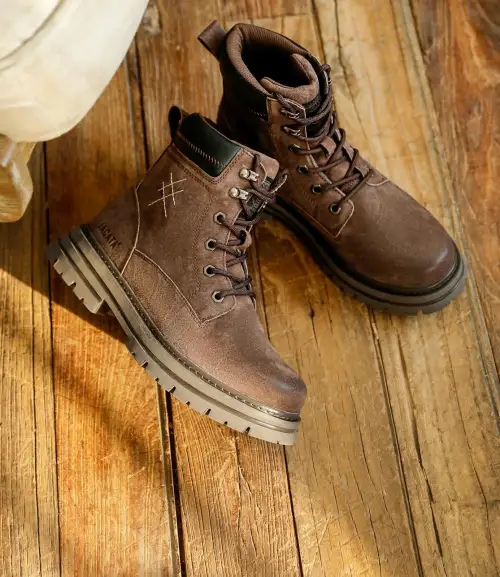
Choosing the right soling material is one of the most critical decisions a footwear manufacturer makes. It dictates the comfort, durability, cost, and market positioning of your final product. As a manufacturer, you aren’t just looking for what feels good—you need materials that bond well, process efficiently, and meet your specific price points.
At Weston Rubber, we have decades of experience supplying the footwear industry with high-quality EVA sheets, Rubber soles, and Cork footbeds. In this guide, we break down the technical differences between these three powerhouses to help you decide which is best for your next production run.
At a Glance: Material Comparison Matrix
|
Feature |
EVA (Ethylene-Vinyl Acetate) |
Rubber |
Cork |
|---|---|---|---|
|
Primary Benefit |
Lightweight |
Durability & Grip |
Sustainability & Contour |
|
Manufacturing Cost |
Low, mid and high |
Mid to High |
Mid |
|
Weight |
Extremely Light |
Moderate |
Light to moderate |
|
Shock Absorption |
Excellent (High Bounce) |
Moderate |
Good (Dampening) |
|
Abrasion Resistance |
High |
Low |
High |
|
Bonding Difficulty |
Medium (Needs Primers) |
Low (Bonds well) |
Medium (Porous) |
|
Best Application |
Sports shoes, midsoles, flip-flops, formals and casuals |
Outsoles, safety boots, hiking |
Sandals, orthopedic insoles |
1. EVA (Ethylene-Vinyl Acetate): The Lightweight Champion
EVA is the foam material of choice for the majority of the world's midsoles. From a manufacturing perspective, it offers the best balance of volume-to-weight ratio.
Why Manufacturers Choose EVA:
-
Cost Efficiency: EVA is generally cheaper to produce and ship due to its low density.
-
Processability: It is easily cut from EVA sheets or injection molded into complex shapes.
-
Cushioning: It provides immediate "step-in comfort" that consumers love in sneakers and slippers.
The Drawbacks:
-
Compression Set: Over time, EVA compresses and loses its rebound. It is not suitable for the outsole of heavy-duty workwear.
-
Bonding: EVA surfaces often require chemical priming or roughening to ensure strong adhesion to rubber outsoles or uppers.
Best For: Running shoes, sneaker midsoles, lightweight beach sandals, and cost-sensitive disposable footwear.
2. Rubber: The King of Durability
Rubber is the industry standard for outsoles where grip and longevity are non-negotiable. Whether you are using Rubber Sheets for die-cutting or molded units, rubber signals quality.
Why Manufacturers Choose Rubber:
-
Superior Traction: It offers unmatched slip resistance on wet or oily surfaces.
-
Abrasion Resistance: Rubber does not wear down quickly on asphalt or concrete, reducing warranty claims for premature wear.
-
Stability: Unlike foam, rubber provides a stable base that protects the foot.
The Drawbacks:
-
Weight: It is significantly heavier than EVA. A full rubber sole can make a shoe feel clunky if not engineered correctly.
-
Cost: Raw material costs and the vulcanization process make rubber more expensive than basic foams.
Best For: Outsoles of all kinds, safety shoes, hiking boots, and high-traffic casual footwear.
3. Cork: The Sustainable & Premium Choice
With the rise of eco-conscious fashion, Cork Footbeds have moved from a niche orthopedic material to a mainstream trend.
Why Manufacturers Choose Cork:
-
Eco-Friendly Branding: Cork is natural, renewable, and biodegradable—a huge selling point for modern consumers.
-
Custom Fit: Cork is thermo-formable to a degree; with body heat and weight, it molds to the wearer’s foot shape, creating a "custom" orthotic feel.
-
Odor Resistance: Its natural antimicrobial properties make it excellent for sandals worn without socks.
The Drawbacks:
-
Brittleness: Pure cork can crack. As a manufacturer, you must source cork that is properly bonded with latex (like ours) to ensure flexibility.
-
Production Speed: Cork components often require more precise handling and finishing than injection-molded plastics.
Best For: Premium sandals (Birkenstock-style), orthopedic insoles, and sustainable footwear lines.
The Verdict: Which Should Y ou Choose?
The "best" material depends entirely on the shoe’s intended purpose.
-
For Athletic Footwear: Use an EVA midsole for cushioning cemented to a thin Rubber outsole for grip. This hybrid approach gives you the best of both worlds.
-
For Industrial/Safety Boots: Rubber is the only safe option for the outsole due to its resistance to oil, chemicals, and slipping.
-
For Lifestyle Sandals: Cork footbeds are trending heavily. They command a higher retail price and appeal to eco-conscious buyers.
Need a Custom Solution?
At Weston Rubber, we don’t just sell materials; we help you engineer the perfect sole. We can supply:
-
High-grade EVA Sheets in various densities.
-
Durable Rubber Sole Sheets for die-cutting.
-
Pre-molded Cork Footbeds ready for assembly.
Contact our team today to request samples or discuss your manufacturing requirements.
Frequently Asked Questions (FAQ)
Is EVA or Rubber better for shoe soles?
For midsoles and cushioning, EVA is superior due to its light weight and softness. For outsoles and surface contact, Rubber is better because it offers superior grip and durability. Most high-quality shoes use a combination of both.
Why do manufacturers use cork in footbeds?
Manufacturers use cork because it is sustainable, naturally antimicrobial, and molds to the wearer's foot over time. It allows brands to market their products as "eco-friendly" and "orthopedic."
Can you bond EVA to Rubber?
Yes. This is the standard construction for most sneakers (EVA midsole + Rubber outsole). However, manufacturers must use the correct primers and adhesives to ensure the EVA bonds securely to the rubber, as EVA's closed-cell structure can be difficult to adhere to without surface treatment.