

Blog
Which TPR Format Should You Order? A Buyer’s Decision Framework for Blockers, Sheets and Molded Parts

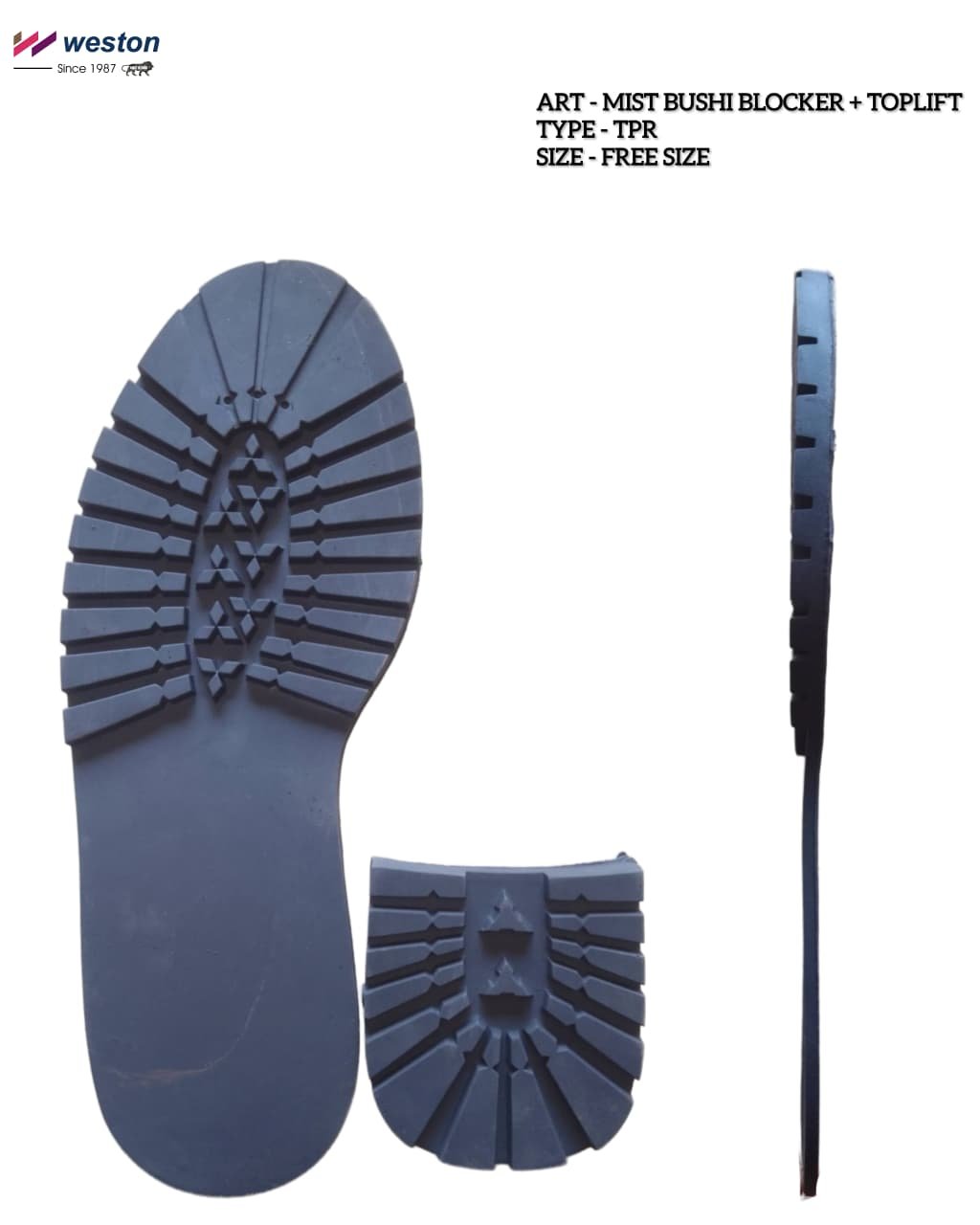
TPR reaches your factory in three formats: blockers, sheets, and molded parts. Each format moves work, cost, and risk between your team and your supplier. Pick the wrong one and you pay for cutting equipment you rarely use, or for finished parts when your own floor would have done the work for less. This framework walks you through the choice in five questions, then shows you where the money goes.
New to blockers? Read What Are TPR Blockers? before choosing the right TPR format.
The Three TPR Formats in Plain Terms
A TPR blocker is a solid, uncut block of thermoplastic rubber. Suppliers make blockers by injection molding. A blocker carries no tread pattern and no final shape. Your factory cuts or presses blockers into outsole components, heel lifts, wedge inserts, and traction pads. TPR blockers do not suit midsoles, so plan midsole sourcing separately.
A TPR sheet is a thinner, flat format. Factories die cut sheets into footbeds, sandal straps, and similar flat components. Sheets give you less thickness to work with than blockers, so the two formats serve different parts.
A molded part is a component shaped by the supplier to a defined profile. TPR fore parts and top lifts fall into this group. Molded parts arrive ready for lasting and assembly, with no cutting step on your side.
Question One: Does Your Factory Cut Material In-House?
Start here, since the answer removes options fast. Blockers and sheets need cutting dies, skiving machines, or presses, plus operators who know how to run them. If your factory lacks this equipment, blockers and sheets create a bottleneck on day one.
If your factory already cuts rubber or EVA, TPR adds little new work. Your team knows the blade settings, the die maintenance, and the scrap handling. In this case, blockers and sheets stay on the table.
If you outsource cutting, treat the cutting vendor as part of your supply chain. Their lead time and scrap rate now affect your delivery date, so compare the total path, not only the supplier quote.
Question Two: How Many Styles Share One Compound?
Count the shoe styles in your line drawing from the same TPR compound and hardness. This number drives the value of the blocker format more than any other factor.
A factory running five styles from one compound buys one blocker format and cuts five different parts from the same stock. The same factory ordering molded parts buys five separate part numbers, each priced with finishing built in. Blockers avoid the supplier’s finishing markup on each of those parts, which is where the buyer advantage appears.
A factory running one style needs one part. Molded parts remove the cutting step, and the markup question stops mattering since you place one clean order.
Question Three: What Is the Volume per Style?
Volume decides whether in-house cutting pays for itself. Low volumes spread equipment cost, operator time, and setup effort across few parts. High volumes of a single stable design favor molded parts, since the supplier’s tooling and cycle times run efficiently at scale.
Moderate volumes across many styles favor blockers. You hold one raw stock position and shape parts as orders arrive. A design change mid season costs you a new cutting die, not a new mold.
Watch the pricing trap here. Blockers carry a higher price per kilogram than pre-cut parts. Do not judge the format on the per kilogram number alone. Compare the landed cost per finished part, including your cutting labor, your scrap, and the markup you avoid.
Question Four: How Tight Is Your Lead Time?
Molded parts carry tooling lead time on first orders and a production slot on repeat orders. Blockers come from a simpler process, so repeat orders often move faster. Your own cutting queue then adds days. Ask your team how long a cutting run takes at current load, and add the figure to the supplier lead time.
Sheets sit in between. Flat geometry suits quick die cutting runs, and thin material cuts faster than thick stock.
Build a buffer for your first order in any new format. First orders reveal cutting settings, packing preferences, and approval delays you did not plan for.
Question Five: How Much Scrap Does Your Line Tolerate?
Every cutting operation produces offcuts. Nesting patterns, die design, and operator skill all change the scrap rate. Measure your current scrap rate on comparable materials before you commit to blockers. A high scrap rate erodes the cost gap you hoped to close.
TPR is a thermoplastic, so clean offcuts often return to production in certain applications. Ask your supplier whether regrind suits your compound and your parts. Never assume regrind works for compliance-sensitive or color-critical components without written confirmation.
Side-by-Side Comparison
| Format | Work on Your Floor | Best Fit | Watch For |
|---|---|---|---|
| TPR Blocker | Cutting or pressing into parts | Many styles from one compound | Scrap rate and cutting capacity |
| TPR Sheet | Die cutting flat components | Footbeds and sandal straps | Thickness limits on parts |
| Molded Part | Assembly only | High volume, stable designs | Tooling cost and design changes |
See our comparison of TPR blockers, fore parts and top lifts for a side-by-side format decision.
A Quick Decision Path
- Choose blockers when your factory cuts in-house, runs several styles from one compound, and tolerates moderate scrap.
- Choose sheets when your parts are flat, thin, and cut by die, such as footbeds and sandal straps.
- Choose molded parts when you lack cutting equipment, run high volumes of a stable design, or need the fastest path to assembly.
- Mix formats when your line includes a high volume core style and several seasonal styles.
Mixing Formats Across One Product Line
Many factories do not pick one format. A core style at high volume uses molded fore parts. Seasonal and limited styles use blockers cut in-house. This split keeps your cutting team busy on flexible work and keeps your high volume line on a simple assembly path.
Source mixed formats from one supplier. Matched compound batches keep hardness, density, and color consistent across every format on the same shoe. Ask your supplier to confirm the match in writing, with hardness results for each format.
Common Mistakes When Choosing a TPR Format
Buyers repeat the same errors across projects. Avoid these four.
- Ordering blockers without cutting capacity. The material arrives, and your line waits for equipment or a cutting vendor.
- Comparing price per kilogram against price per part. The two numbers measure different things. Compare cost per finished part.
- Specifying TPR blockers for midsoles. The format suits outsoles, heel lifts, wedge inserts, sandal straps, footbeds, and traction pads. Midsoles need a different material.
- Skipping the sample approval. A data sheet describes a compound. A sample proves the compound behaves well in your cutting and assembly process.
What to Confirm Before You Place the Order
Whatever format you choose, confirm these details in writing.
- Shore A hardness and tolerance for each format
- Density specification
- Color match standard and tolerance
- Dimensions and thickness tolerance
- Compliance documents your buyer requires, such as REACH or RoHS
Attach a drawing to every purchase order for molded parts. For blockers and sheets, state the exact dimensions you expect, since suppliers use format names differently across catalogs.
Working With Weston Rubber
Weston Rubber supplies TPR as blockers, fore parts, and top lifts, all drawn from matched compounds. Start with a short consultation covering your styles, volumes, and cutting capacity. Our team recommends a format, then runs a sample batch for your approval before you commit to a full order.
Frequently Asked Questions
Is a TPR blocker the same as a TPR sheet?
No. A blocker is a thick, uncut block for cutting into outsole components, heel lifts, and wedge inserts. A sheet is thinner and flat, used for components such as footbeds and sandal straps.
Do TPR blockers work for midsoles?
No. TPR blockers suit outsoles, heel lifts, wedge inserts, sandal straps, footbeds, and traction pads. Source midsole material from EVA or another suitable foam.
Is a blocker cheaper than a molded part?
Not on a per kilogram basis. Blockers carry a higher price per kilogram than pre-cut parts. The advantage appears on multi-style production, where you avoid the supplier’s finishing markup on each part. Compare landed cost per finished part before you decide.
Which format gives the shortest path to assembly?
Molded parts. They arrive shaped and ready for lasting and assembly, with no cutting step on your side.
Should I mix formats in one product line?
Often yes. Use molded parts for high volume core styles and blockers for seasonal or limited styles. Source both from one supplier to keep hardness, density, and color matched.
Not sure which TPR format fits your line? Weston Rubber supplies TPR blockers, fore parts, and top lifts from matched compounds. Contact our team with your styles, volumes, and cutting setup, and we will recommend a format.