

Blog
Sole Specification Guide for School Footwear: Durability, Slip Resistance and Cost-Per-Wear

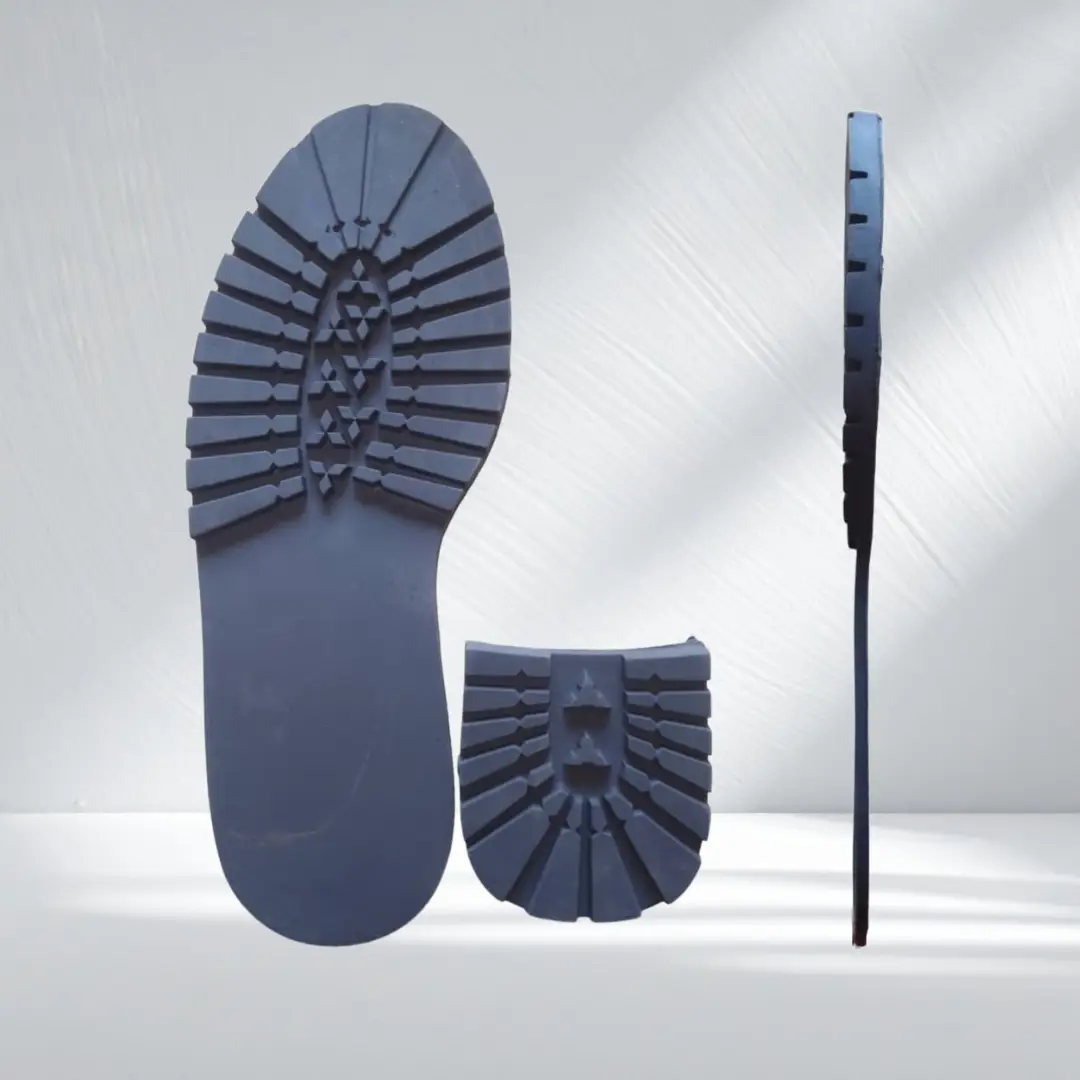
School footwear takes a level of daily abuse most footwear categories never see. Playground surfaces, indoor gym floors, stairs, and hours of active wear five days a week put sole materials through a stress test a typical casual shoe never faces. Buyers sourcing soles for school footwear need to weigh durability, slip resistance, and cost-per-wear together, since optimizing for one factor alone often creates problems in the other two.
Why School Footwear Needs a Different Spec Than Standard Casual Footwear
A standard casual shoe sees intermittent wear across varied surfaces, with rest periods between uses letting materials recover. A school shoe sees near-continuous wear across a school day, five or six days a week, often on abrasive surfaces like asphalt playgrounds or concrete walkways. This wear pattern accelerates material fatigue compared to typical casual use.
Parents and school uniform buyers also expect a school shoe to last a full term or full year, which puts direct pressure on durability specs. A sole wearing out in eight weeks generates returns, complaints, and a damaged reputation for the brand supplying the footwear, regardless of how the shoe performed in initial fit and comfort testing.
Durability Requirements for School Footwear
Abrasion resistance sits at the top of the spec sheet for school footwear outsoles. Rubber compounds generally outperform TPR in pure abrasion resistance, making rubber the standard choice for school shoe outsoles despite a higher material cost than TPR alternatives.
Buyers should request abrasion test data under ISO 4649 or a comparable standard, and compare results against a minimum threshold appropriate for daily, high-frequency wear rather than the lighter thresholds acceptable for occasional-use footwear. A compound performing acceptably in a casual shoe abrasion test often falls short of what a daily school shoe requires over a full term.
Flex fatigue resistance matters alongside abrasion, since children’s active movement patterns, running, jumping, and climbing, put repeated flex stress through the forefoot of the sole. A compound with strong abrasion resistance but poor flex fatigue resistance still cracks at the flex point well before the tread wears down.
Slip Resistance Considerations
School environments include a mix of surfaces: outdoor pavement, indoor tile or vinyl flooring, gym floors, and sometimes wet conditions from rain or spilled liquids. A tread pattern and compound optimized for one surface type often underperforms on another, so school footwear specs should account for multi-surface slip performance rather than a single test condition.
Request slip resistance data under a recognized standard such as EN ISO 13287 or a comparable regional standard, tested against both dry and wet surface conditions. Rubber and TPR compounds both offer slip-resistant options, and tread pattern design plays as large a role as compound selection in final slip performance.
Gym-specific school footwear, used for indoor sports or physical education classes, calls for non-marking sole compounds in addition to slip resistance, since marking soles create cleanup issues and often violate school gym floor policies outright.
Understanding Cost-Per-Wear for School Footwear Buyers
Cost-per-wear divides the purchase price of a shoe by the expected number of wears before replacement becomes necessary. A higher upfront material cost extending usable life often produces a lower cost-per-wear than a cheaper material requiring replacement mid-term.
Run the math directly: a rubber-soled shoe costing 20 percent more than a TPR alternative, but lasting 40 percent longer under daily school wear, produces a meaningfully lower cost-per-wear despite the higher sticker price. Buyers focused only on unit cost miss this calculation, and schools or parents replacing shoes mid-term absorb the real cost of an undersized durability spec.
Present cost-per-wear data to brand and retail partners when justifying a material upgrade, since the argument lands more effectively as a total-cost comparison than as a request to raise the bill of materials without further context.
Material Comparison for School Footwear Applications
Rubber compounds deliver the strongest abrasion resistance and remain the standard choice for school shoe outsoles carrying the highest daily wear exposure, particularly for older children in secondary school where activity levels and shoe size both increase wear pressure.
TPR compounds offer a lower-cost alternative with acceptable durability for younger children with lower activity levels and lighter body weight, where wear pressure on the outsole runs lower than for older students. TPR also processes faster through injection molding, which supports large uniform-supply programs where schools need consistent product across thousands of pairs on a tight seasonal timeline.
EVA plays a supporting role in school footwear as a midsole cushioning layer rather than an outsole material, since EVA alone lacks the abrasion resistance the ground-contact surface requires under daily school wear conditions.
Fit and Growth Considerations Affecting Sole Selection
Children’s feet grow steadily through a school year, and sole flexibility needs to accommodate a wider range of foot movement than adult footwear, since growing feet develop gait patterns shifting over months rather than staying constant. A sole feeling appropriately flexible at the start of a term sometimes feels stiff by the end of the same term as a child’s foot shape and walking pattern change.
Buyers sourcing across a size range should confirm hardness and flex specs stay consistent across sizes, since some suppliers scale compound thickness with shoe size without adjusting hardness, which changes the flex feel between the smallest and largest sizes in a size run.
Seasonal and Regional Considerations for School Footwear Programs
School footwear demand often concentrates around a back-to-school season, which puts pressure on suppliers to deliver large volumes within a narrow production window. Buyers planning a school footwear program should confirm supplier capacity well ahead of peak season, since a supplier stretched across multiple school footwear customers during the same seasonal window sometimes struggles to hold quality consistency under production pressure.
Regional climate also affects material choice. School programs in hot, humid regions should confirm compound performance under sustained heat exposure, since some rubber and TPR formulations soften or lose abrasion resistance faster in consistently high temperatures compared to temperate climates. Ask your supplier for climate-specific performance data if your program serves a hot-climate market.
Working With Weston Rubber on School Footwear Programs
Weston Rubber supplies rubber and TPR compounds tested for the abrasion resistance and slip performance daily school wear demands, with documentation supporting cost-per-wear conversations with brand and retail partners. Bulk program orders benefit from consistent batch-to-batch compound matching, since a school footwear program often spans thousands of pairs across a size range, where any hardness or color drift between batches becomes visible once the full order reaches classrooms and playgrounds.
Frequently Asked Questions
Is rubber always the right choice for school shoe outsoles?
Rubber generally performs best for older children with higher activity levels, but TPR offers acceptable durability at lower cost for younger children with lighter wear pressure. Match the compound to the age group and activity level of your target buyer.
What slip resistance standard should school footwear meet?
EN ISO 13287 is a common reference standard for slip resistance testing, covering both dry and wet surface conditions. Confirm which standard your target market or retail partner requires before finalizing a spec.
How do I calculate cost-per-wear for a sole material comparison?
Divide the total shoe cost by the expected number of wears before replacement. Compare this figure across material options rather than comparing unit price alone, since a longer-lasting material often produces a lower cost-per-wear despite a higher purchase price.
Does tread pattern matter as much as compound selection for slip resistance?
Yes. Tread pattern design affects slip performance significantly, and a well-designed pattern in a mid-range compound sometimes outperforms a premium compound with a poor tread design on wet or uneven surfaces.
Should gym shoes for school use a different sole spec than everyday school shoes?
Yes. Gym-specific footwear needs non-marking sole compounds in addition to slip resistance, since marking soles create cleanup problems on indoor gym flooring and often violate school facility policies.
Sourcing sole materials for a school footwear program? Weston Rubber supplies rubber and TPR compounds tested for abrasion resistance and slip performance across daily-wear applications. Contact our team to discuss specifications for your next program order.