

Blog
EVA Sole Sheet Explained: What It Is, How It’s Used and Who Should Order It

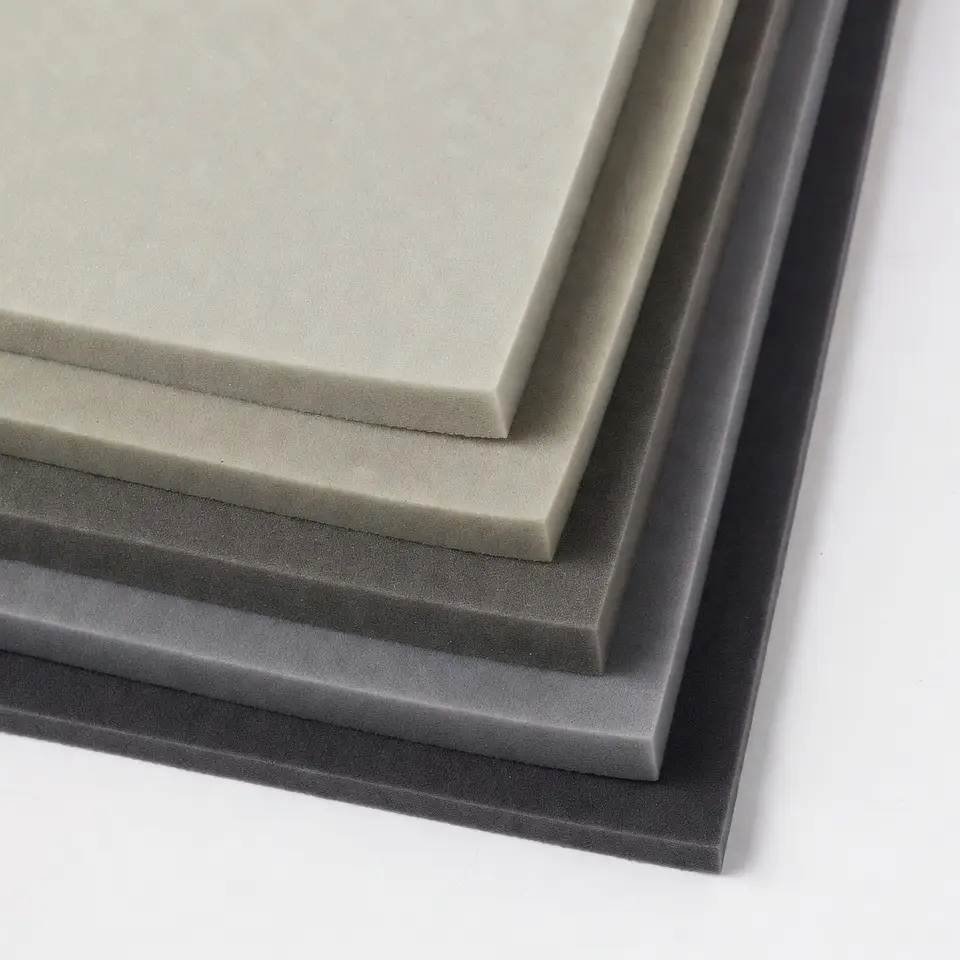
Here’s something most procurement teams discover the hard way: ordering an EVA sole sheet isn’t about asking for “EVA.” It’s about asking for the right density, the right hardness, the right thickness, and the right tolerance — every time, batch after batch. Get any of those wrong and you’re either paying for rework, rejecting pallets at goods-in, or shipping shoes that feel different to your customers from one production run to the next.
For footwear manufacturers producing at scale, the EVA sole sheet sitting on the cutting table determines cushioning, weight, durability and unit economics across thousands of pairs. That’s a big lever to leave to chance.
This guide explains exactly what an EVA sole sheet is, how it’s made, where it fits in your production line, the specifications that matter when ordering, and who should be sourcing it directly from a manufacturer like Weston Rubber Industries.
In one sentence: an EVA sole sheet is a lightweight, closed-cell ethylene vinyl acetate foam sheet used as the cushioning base for shoe soles, supplied in bulk for cutting, moulding or machining into finished components.
Let’s unpack what that actually means for your production line.
What Is an EVA Sole Sheet?
An EVA sole sheet is a flat-stock foam sheet made from ethylene vinyl acetate copolymer, used as the raw material for manufacturing shoe soles, midsoles and insole boards. EVA is a closed-cell foam, meaning each tiny air pocket inside the sheet is sealed off from the next — which is why EVA soles are lightweight, water-resistant, and recover their shape after repeated compression.
Most buyers know EVA as one of the three dominant soling materials in the footwear industry, alongside rubber and TPR. Where it differs is in how it’s typically supplied. EVA is most commonly sold in sheet form rather than as finished moulded components, because sheets give manufacturers the flexibility to cut, die-press or CNC-machine the exact sole shape they need.
The sheet format also makes EVA a smart fit for high-volume production. A single batch of sheets can supply hundreds of different sole shapes across multiple product lines, which is why OEMs and contract manufacturers prefer ordering sheets over finished soles when they have in-house cutting infrastructure.
You can see Weston’s range on the EVA Sole Sheet product page and the related EVA Midsole Sheet listing.
How EVA Sole Sheets Are Made
EVA sole sheets are manufactured through a controlled foaming and curing process that turns raw EVA pellets into uniform, closed-cell foam sheets. The process matters because it directly determines the batch consistency you receive on your production floor.
Here’s how it works at a high level:
- Compounding — EVA pellets are mixed with foaming agents, cross-linking agents and colourants in a controlled blend
- Sheet forming — the compound is pressed into moulds and expanded under heat and pressure
- Curing — heat triggers the foaming reaction, creating the closed-cell structure
- Conditioning — sheets are stabilised at room temperature before being trimmed to standard sizes
- Quality control — every batch is tested for density, thickness tolerance, hardness and colour matching before dispatch
At Weston, this entire process runs in-house on dedicated EVA injection machines, hydraulic presses and mixing mills. Material testing, process control and final inspection happen within the same facility, which is the main reason batch-to-batch consistency holds even on long production runs.
Weston has also earned Global Recycled Standard (GRS) and Recycled Claim Standard (RCS) certifications — a credibility marker for buyers who need verified recycled content in their supply chain or want to make sustainability claims on the finished shoe.
Material Properties That Matter to Footwear Manufacturers
EVA sole sheets are valued for a specific combination of properties that no other soling material delivers at the same cost point: low weight, excellent cushioning, water resistance and ease of processing.
Here are the technical properties that matter when you’re specifying a sheet:
| Property | Typical Range | Why It Matters for Buyers |
| Density | 0.15–0.30 g/cm³ | Lower density = lighter shoe |
| Hardness (Asker C) | 35–65 | Softer for comfort footwear, firmer for athletic |
| Thickness | 3 mm – 25 mm | Matches outsole, midsole or wedge designs |
| Compression set | Low | Sole holds its shape after wear |
| Tensile strength | Moderate | Resists tearing during cutting and use |
| Water absorption | Very low | Closed-cell — suitable for wet conditions |
| Temperature stability | Good | Performs across varied climates |
Lightweight performance is the headline benefit. EVA’s low density allows manufacturers to produce shoes that feel significantly lighter than rubber-soled equivalents, which is a major selling point in athletic, casual and comfort footwear.
Cushioning and resilience matter for end-user comfort. The closed-cell structure absorbs impact and then recovers its shape — even after hours of walking or running. This is why EVA is the dominant midsole material in sports footwear.
Processability is the property buyers often forget to factor in. EVA sheets are easy to cut, mould or CNC-machine with minimal waste, which means lower material loss per pair and faster production cycles compared with denser materials.
How EVA Sole Sheets Are Used Across Footwear Categories
EVA sole sheets are used as the cushioning component of shoe soles across athletic, casual, comfort, orthopedic and safety footwear. Here’s where each application sits:
Athletic and sports footwear — EVA is the standard midsole material for running, training and walking shoes. It absorbs impact and reduces fatigue, and is typically paired with a rubber outsole that adds grip and abrasion resistance.
Casual and lifestyle footwear — Sneakers, slip-ons and loafers use EVA for lightweight cushioning that doesn’t add bulk to the silhouette.
Slippers, flip-flops and sandals — Here EVA is often the full sole. It’s soft, waterproof, easy to mould, and unbeatable on cost-per-pair for high-volume slipper and sandal production. This is one of the largest application categories for EVA sheets globally.
Orthopedic and comfort footwear — Diabetic shoes, medical sandals and plantar fasciitis footwear use EVA at clinically specified densities and hardness levels. Consistency is non-negotiable here, because patient outcomes depend on it.
Safety footwear midsoles — Industrial and work shoes use EVA as a cushioning layer underneath protective outsoles to make heavy-duty footwear more comfortable for long shifts.
Promotional and private-label footwear — Hotel slippers, corporate gifting and bulk uniform supplies rely on EVA because cost-per-pair has to stay low at high volumes.
If your production already uses finished components rather than sheets, Weston also supplies EVA Soles and EVA Blockers ready for assembly.
EVA Sole Sheet vs. Rubber, TPR and Cork
One of the most common buyer questions is which soling material to choose. Each has its place, and the right answer depends on the shoe category, target price point and performance priorities.
| Feature | EVA Sole Sheet | Rubber Sole Sheet | TPR Sole | Cork Footbed |
| Weight | Very light | Heavier | Moderate | Light |
| Cushioning | Excellent | Moderate | Moderate | Firm |
| Abrasion resistance | Moderate | Excellent | Good | Low |
| Cost | Low–Moderate | Higher | Moderate | Premium |
| Water resistance | High | High | High | Moderate (sealed) |
| Best for | Comfort, casual, athletic midsoles | Outdoor, formal, work boots | Casual, school shoes | Premium sandals, orthotics |
In short:
- EVA vs Rubber: Choose EVA when weight and cushioning matter more than abrasion resistance.
- EVA vs TPR: EVA is lighter and softer; TPR offers better wear resistance at the outsole.
- EVA vs Cork: EVA is cheaper and more cushioning; cork is firmer and premium-positioned.
For a deeper comparison, see our existing piece on EVA vs Rubber vs Cork Footbeds and Rubber Blockers vs Rubber Soles vs Rubber Sheets.
What to Specify When Ordering EVA Sole Sheets in Bulk
A reliable manufacturer will ask you for all of the following before quoting. If a supplier can’t confirm these, that’s a sourcing risk worth flagging.
Use this as your internal procurement checklist:
- Density (g/cm³) — driven by your target shoe weight
- Hardness (Asker C) — driven by comfort and firmness requirements
- Thickness (mm) — must match your sole design
- Sheet dimensions (length × width) — must fit your cutting machinery
- Colour — send Pantone references for batch-to-batch consistency
- Surface finish — smooth, textured or embossed
- Recycled content — confirm GRS or RCS certification if you need it for sustainability claims
- Tolerance levels — what thickness and density variation your QC will accept
- Packaging — palletised, bundled, moisture-protected
- Lead time and MOQ — minimum order quantity and production schedule
A good supplier will walk through every line item before issuing a quote. That conversation alone tells you whether you’re dealing with a manufacturer or a middleman.
Who Should Order EVA Sole Sheets?
EVA sole sheets are typically ordered by OEMs, contract manufacturers, footwear brands and wholesalers producing at volume — the kind of operations where finished EVA soles no longer make economic sense and in-house cutting takes over.
The buyer profiles that source EVA sheets directly include:
OEM footwear manufacturers running high-volume, multi-category production lines that need consistent batches across long runs.
Contract manufacturers producing on behalf of multiple brands, who need flexibility on density, hardness and colour specifications.
Private-label and promotional brands — hotel chains, corporate gifting suppliers and bulk uniform manufacturers — where price sensitivity and high volumes go hand in hand.
Comfort and orthopedic footwear brands with precise hardness and density requirements, often combined with certifications or recycled content for premium positioning.
Sandal, slipper and flip-flop producers running high-volume, low-margin operations where EVA’s cost efficiency is the entire business case.
Athletic footwear brands and sports shoe manufacturers using EVA primarily as midsoles paired with rubber outsoles, where consistent shock absorption across batches is critical.
A note for smaller manufacturers: if you’re producing fewer than a few hundred pairs a month, finished EVA soles may be more cost-effective than sheets. EVA sheets make sense once your cutting and moulding infrastructure is in place and volumes justify the in-house processing step.
How to Choose a Reliable EVA Sole Sheet Manufacturer
Once you know what to specify, the next step is shortlisting a supplier you can rely on for years — not just for the next purchase order. Here are six things to verify:
- Manufacturing experience — Look for established players with a long track record. Weston has been manufacturing soling materials since 1987.
- In-house quality control — Material testing, process control, batch consistency checks and pre-dispatch inspection should all happen under one roof.
- Production capacity — Can the supplier handle your peak-season volume without compromising lead times?
- Certifications — GRS and RCS for recycled content matter increasingly as global brands tighten sustainability requirements.
- Customisation capability — Ability to supply non-standard densities, thicknesses, colours and surface finishes.
- Reference clients — A 200+ client base across India and overseas is a strong proxy for reliability.
The right manufacturer doesn’t just ship sheets — they become a technical partner who flags issues early, supports custom development, and keeps your production schedule predictable.
EVA Sole Sheet — Frequently Asked Questions
What is the difference between an EVA sole sheet and an EVA midsole sheet?
An EVA sole sheet is used for the full sole or outsole of shoes like sandals and slippers. An EVA midsole sheet sits between the outsole and the insole as a cushioning layer, typically in athletic and casual footwear. Midsole sheets are usually softer and slightly thicker.
Is EVA waterproof?
EVA is highly water-resistant because of its closed-cell foam structure. Water cannot pass through sealed air pockets, which is why EVA is widely used in slippers, sandals and outdoor footwear.
How long do EVA soles last compared to rubber?
EVA soles offer good durability for casual and comfort footwear but generally wear faster than rubber under heavy abrasion. For high-wear outsoles, manufacturers often pair an EVA midsole with a rubber outsole to combine cushioning with longevity.
Can EVA sole sheets be recycled?
Yes. EVA can be reground and reused in lower-grade applications. Manufacturers like Weston with GRS and RCS certifications can supply EVA sheets with verified recycled content for sustainability-conscious brands.
What thickness of EVA sole sheet is best for sandals?
Sandals typically use EVA sole sheets between 8 mm and 15 mm thick, depending on the design. Bath slippers may go as thin as 5 mm; chunky platform sandals can use 20 mm or more.
What is the minimum order quantity for EVA sole sheets?
MOQs vary by manufacturer and specification. Weston supports both regular and high-volume OEM orders — contact our team with your specifications for an exact MOQ.
Can EVA sole sheets be supplied in custom colours and densities?
Yes. Reputable manufacturers offer customisation across density, hardness, thickness, colour and surface finish to match specific footwear designs.
Source EVA Sole Sheets Built for Production Scale
EVA sole sheets are one of the most versatile and cost-efficient raw materials in footwear manufacturing — but only when your supplier delivers consistent batches, on schedule, every time.
Weston Rubber Industries has been manufacturing soling materials for the footwear industry since 1987. We supply EVA, rubber, TPR sheets and soles, and cork footbeds to 200+ footwear manufacturers across India and overseas, with full in-house quality control, GRS and RCS certifications, and customisation across density, hardness, thickness and colour.
If you’re sourcing EVA sole sheets for bulk production or OEM supply, share your specifications, drawings or volume requirements with our team. We’ll respond with pricing, samples and delivery timelines.